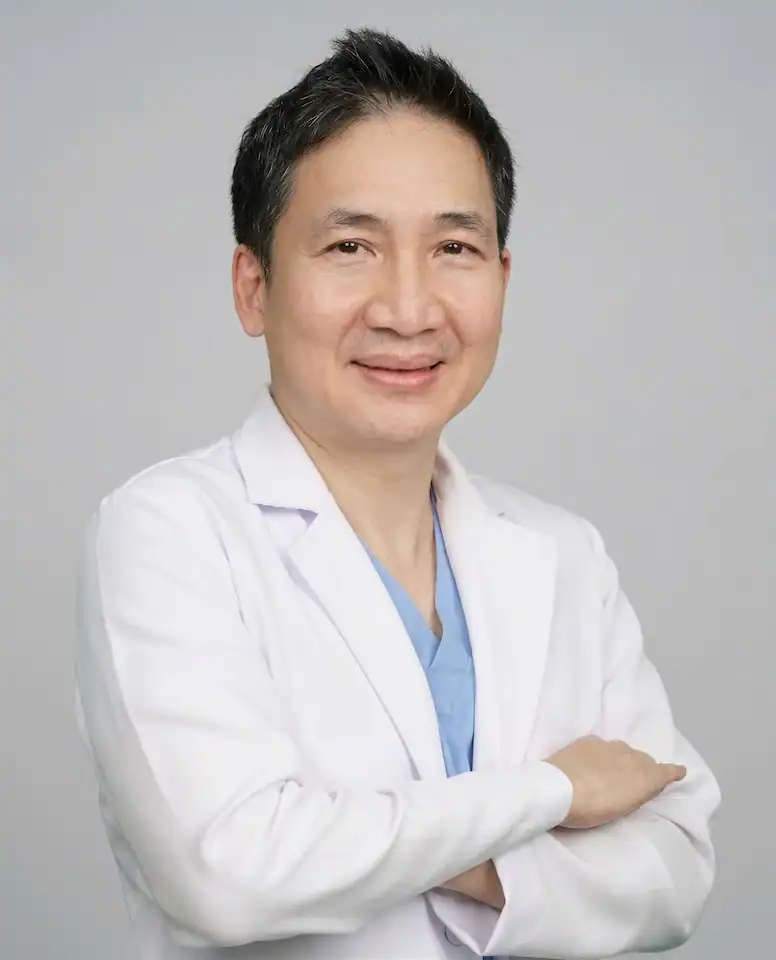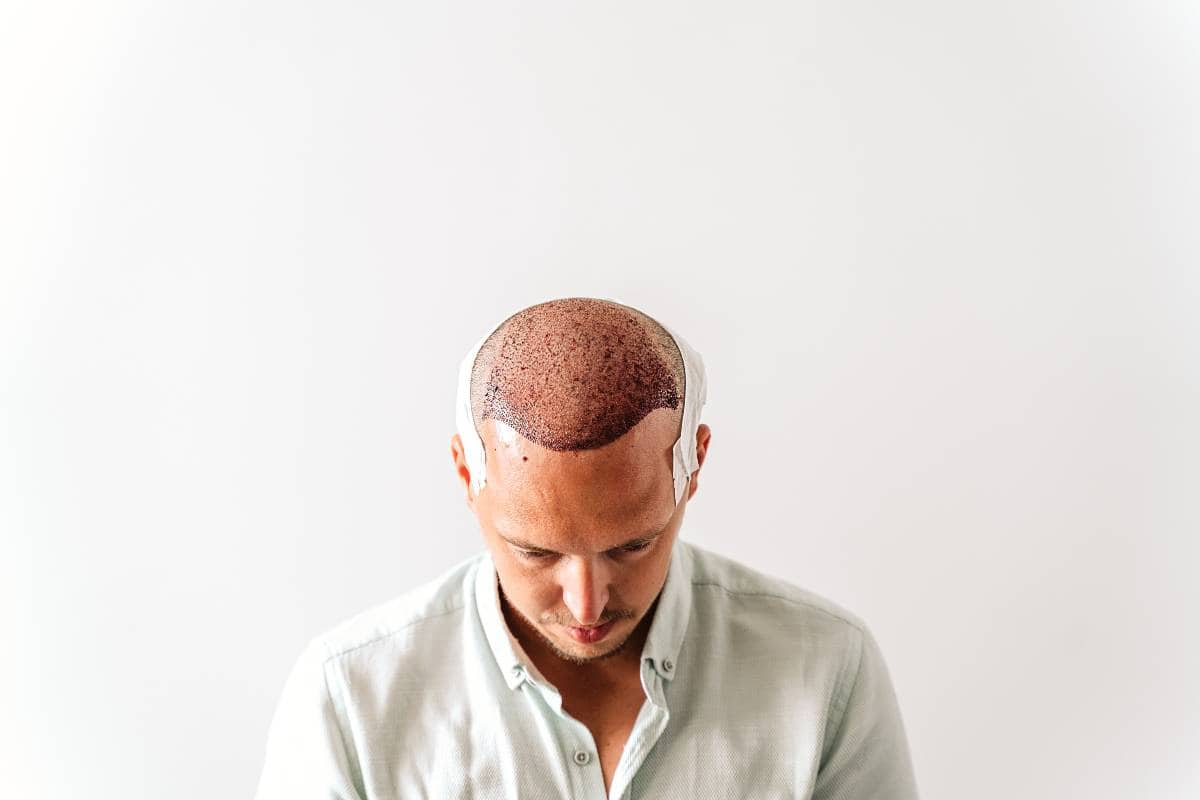

If you’re researching hair transplant cost in Thailand, here’s the direct answer: most patients pay between $2,500 and $6,000 USD for a surgeon-performed FUE or DHI procedure — that’s 50–70% less than what you’d pay in the USA, UK, or Australia for the same quality of care. I’m Dr. Top Narupaves, an ABHRS-certified hair restoration surgeon based in Bangkok, and in this guide I’ll walk you through exactly what drives those numbers, what’s included in the price, and how to make sure you’re comparing apples to apples when you research clinics. One thing I’ll address early: not all Thailand prices are equal, and the biggest reason is whether a surgeon or a technician is actually performing your procedure.
Key Takeaways
- Hair transplant cost in Thailand typically ranges from $2,500–$6,000 USD depending on technique (FUE or DHI) and graft count — significantly less than comparable procedures in Western countries.
- The most important price variable isn’t the clinic’s brand or location — it’s whether a qualified doctor or an untrained technician is performing your extractions and implantations.
- Even with flights and hotel included, most international patients save $5,000–$15,000 compared to having the same procedure done at home.
Table of Contents
How Much Does a Hair Transplant Cost in Thailand?
What’s Included in a Thailand Hair Transplant Package?
Thailand vs Other Countries: Hair Transplant Cost Comparison
Why Hair Transplant Prices Vary So Much in Thailand
Is Getting a Hair Transplant in Thailand Worth It?
FAQs
How Much Does a Hair Transplant Cost in Thailand?
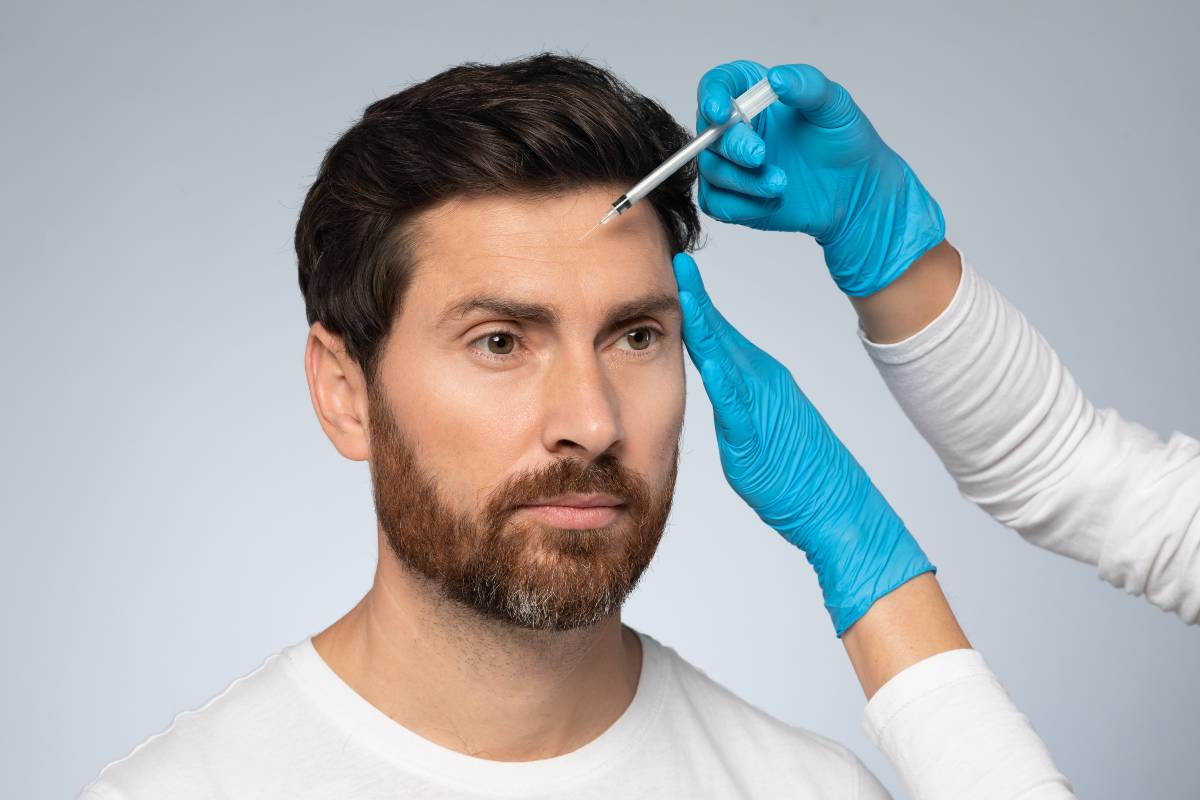
There isn’t one number, because the price depends on how many grafts you need, the technique, who performs each step and what the package includes. In this guide I keep two things apart: general market examples from across Thailand, and Dr. Top Hair Hospital’s own offer. That way you can compare like with like instead of mixing them up.
Here’s what real, quality hair transplant pricing looks like in Thailand:
Free Assessment
Not Sure How Many Grafts You Need?
Get a personalized treatment plan from Dr. Top's team. Takes 2 minutes to complete — no cost, no obligation.
FUE Hair Transplant Pricing
Follicular Unit Extraction (FUE) is the gold standard for most patients. In Thailand, quality surgeon-performed FUE typically runs between 65–90 THB per graft at clinics where the surgeon is hands-on throughout the procedure. At budget clinics using technicians, you’ll see rates as low as 40–50 THB per graft — and that price difference tells you exactly who’s doing the work.
Total FUE costs at premium clinics in Thailand generally land between $2,500–$5,000 USD for 1,500–3,500 grafts. My clinic sits at the higher end of the quality tier because every extraction and implantation is performed by a doctor, and I oversee every procedure.
DHI Hair Transplant Pricing
Direct Hair Implantation (DHI) uses a specialized Choi implanter pen that allows precise depth and angle control during placement. Because it’s a more technically demanding technique that requires greater surgeon skill and more time per graft, DHI typically costs 20–30% more than FUE.
At quality Thailand clinics, expect to pay $3,000–$6,000 for a surgeon-performed DHI procedure. The premium is worth it for patients wanting denser packing in the hairline or who want to avoid shaving the recipient area. We offer both techniques, and I will recommend the right one based on your specific hair loss pattern during consultation.
Pricing by Graft Count
Here’s a breakdown to help you estimate your total procedure cost. These figures reflect the Thailand market — budget tier refers to technician-performed clinics, premium tier refers to surgeon-performed clinics like Dr. Top Hair Hospital.
| Graft Count | Budget Clinic (THB) | Budget Clinic (USD) | Premium Clinic (THB) | Premium Clinic (USD) |
| 1,000 grafts | 40,000–50,000 | ~$1,100–$1,400 | 65,000–90,000 | ~$1,800–$2,500 |
| 1,500 grafts | 60,000–75,000 | ~$1,700–$2,100 | 97,500–135,000 | ~$2,700–$3,800 |
| 2,000 grafts | 80,000–100,000 | ~$2,200–$2,800 | 130,000–180,000 | ~$3,600–$5,000 |
| 2,500 grafts | 100,000–125,000 | ~$2,800–$3,500 | 162,500–225,000 | ~$4,500–$6,300 |
| 3,000 grafts | 120,000–150,000 | ~$3,300–$4,200 | 195,000–270,000 | ~$5,400–$7,500 |
| 3,500+ grafts | 140,000–175,000+ | ~$3,900–$4,900+ | 227,500–315,000+ | ~$6,300–$8,800+ |
Most patients who come to me are in the 2,000–3,000 graft range. A Norwood 3 pattern typically needs around 2,000 grafts; Norwood 4–5 commonly requires 2,500–3,500. I assess every patient individually — graft estimates from photos are approximate until I examine your donor density in person.
What’s Included in a Thailand Hair Transplant Package?
This section matters more than most people realize. Clinics often advertise a base price that looks attractive, then layer in optional add-ons that push the real cost significantly higher. Here’s an honest breakdown of what should be included versus what you should plan to budget separately.
What’s Typically Included
At Dr. Top Hair Hospital, our quoted price includes everything required for the procedure itself:
- Pre-operative consultation and hair loss assessment
- The full FUE or DHI procedure performed by Dr. Top personally
- Local anesthesia and all intraoperative medications
- PRP (Platelet-Rich Plasma) treatment to support graft survival
- Post-operative care kit including shampoo, spray, and instructions
- Follow-up appointments during your stay and virtual follow-ups after you return home
Some clinics also include airport transfer and one night’s hotel accommodation in their packages. We can arrange these for international patients — just ask during consultation.
What’s NOT Included — Budget For These
Be realistic about your total trip cost. Here’s what you’ll need to budget separately regardless of which clinic you choose:
- Flights: $300–$1,200 depending on your origin country and booking timing
- Hotel: $40–$150 per night — Bangkok has excellent options at every price point. Most patients stay 5–7 nights.
- Meals and local transport: $200–$400 for a typical 5–7 day stay
- Travel insurance: Strongly recommended — budget $50–$150
- Any non-surgical add-ons (laser therapy, finasteride, additional PRP sessions)
Total trip budget estimates for international patients:
| Patient Origin | Flights | Hotel (5 nights) | Procedure | Meals/Transport | Total Estimate |
| USA | $600–$1,200 | $200–$750 | $3,000–$5,500 | $200–$400 | $4,000–$7,850 |
| UK | $400–$900 | $200–$750 | $3,000–$5,500 | $200–$400 | $3,800–$7,550 |
| Australia | $300–$800 | $200–$750 | $3,000–$5,500 | $200–$400 | $3,700–$7,450 |
Thailand vs Other Countries: Hair Transplant Cost Comparison
I’ll be honest with you here: I’m not going to tell you Thailand is automatically the best choice for every patient. What I will tell you is how the numbers actually compare, so you can make an informed decision.
| Country | Average FUE Cost | Surgeon-Performed? | Savings vs Thailand |
| Thailand (Premium) | $2,500–$6,000 | Varies — always verify | Baseline |
| USA | $8,000–$20,000 | More common but costly | 50–70% savings in Thailand |
| UK | $5,000–$15,000 | Generally yes, regulated | 40–65% savings in Thailand |
| Australia | $8,000–$18,000 | Generally yes, regulated | 50–70% savings in Thailand |
| Turkey | $1,500–$4,500 | Often technician-performed | Turkey cheaper, quality risk |
Thailand vs USA
The average FUE hair transplant in the United States costs $8,000–$20,000. ABHRS-certified surgeons in major US cities often charge $10–$15 per graft. I hold the same ABHRS certification at a fraction of that cost.
The reason isn’t lower skill — it’s lower overhead. Bangkok’s operating costs, staff costs, and facility costs are a fraction of what a New York or Los Angeles clinic pays. That savings gets passed directly to patients. Even including round-trip flights from the US, most patients save $6,000–$14,000 by coming to Thailand.
Thailand vs UK
UK hair transplant costs run $5,000–$15,000 for FUE. The UK has strong regulatory oversight through the Care Quality Commission, which does raise the quality floor — but it also drives prices up considerably. Patients coming from London or Manchester typically save 40–65% by choosing Thailand, even after factoring in flights and accommodation.
I want to be clear: UK regulation is a good thing, and I respect it. But regulation alone doesn’t mean your surgeon will be better than one who trained at the same international level and chooses to practice in Bangkok. Credentials and training matter more than postcode.
Thailand vs Australia
Australia has some of the highest hair transplant costs in the world — $8,000–$18,000 is typical for FUE at quality clinics. For Australian patients, Thailand is particularly compelling: flights from Sydney, Melbourne, or Brisbane to Bangkok are short (8–10 hours), in a compatible time zone, and Bangkok itself is a genuinely great destination to recover in. Most AU patients arrive, have the procedure, spend a few relaxed days in the city, and fly home with minimal disruption to their schedule.
Thailand vs Turkey
This is the comparison I get asked about most often, and I’ll give you a candid answer. Turkey is cheaper on paper — $1,500–$4,500 is common. But here’s what that price usually reflects: clinics running five to ten patients per day, with technicians performing the majority of extractions and implantations. The surgeon may appear for a consultation photo and then hand off the procedure entirely.
This isn’t a stereotype — it’s a well-documented industry issue, and it’s the reason revision procedures exist. Higher graft transection rates, lower survival rates, and unnatural results are more common in high-volume technician-operated clinics. At Dr. Top Hair Hospital, every extraction and implantation is performed by a doctor, under my oversight. That’s the difference you’re paying for when you choose a surgeon-performed clinic over a technician-performed one — in Thailand or anywhere else. For a full breakdown, see our Thailand vs Turkey comparison guide.
Why Hair Transplant Prices Vary So Much in Thailand
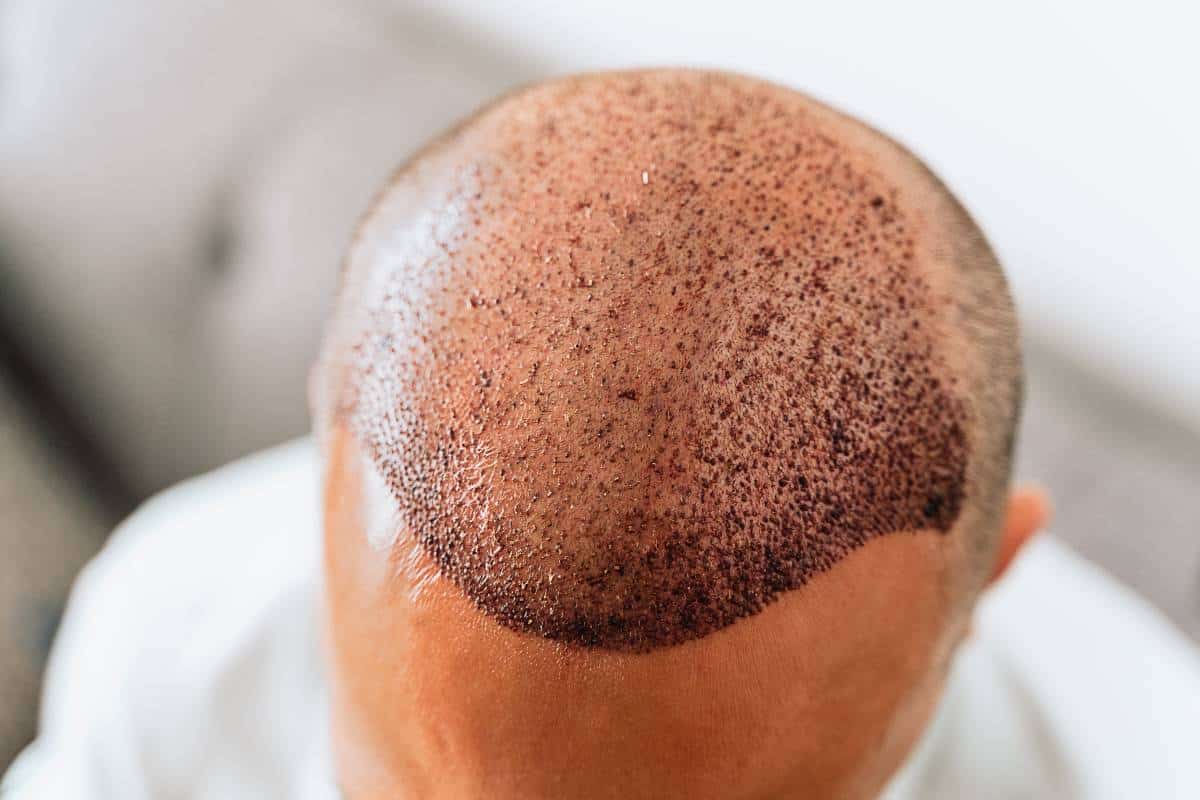
The Thailand hair transplant market spans an enormous range — from $1,000 to $8,000+ for what’s described as the “same” procedure. Here’s why, explained plainly.
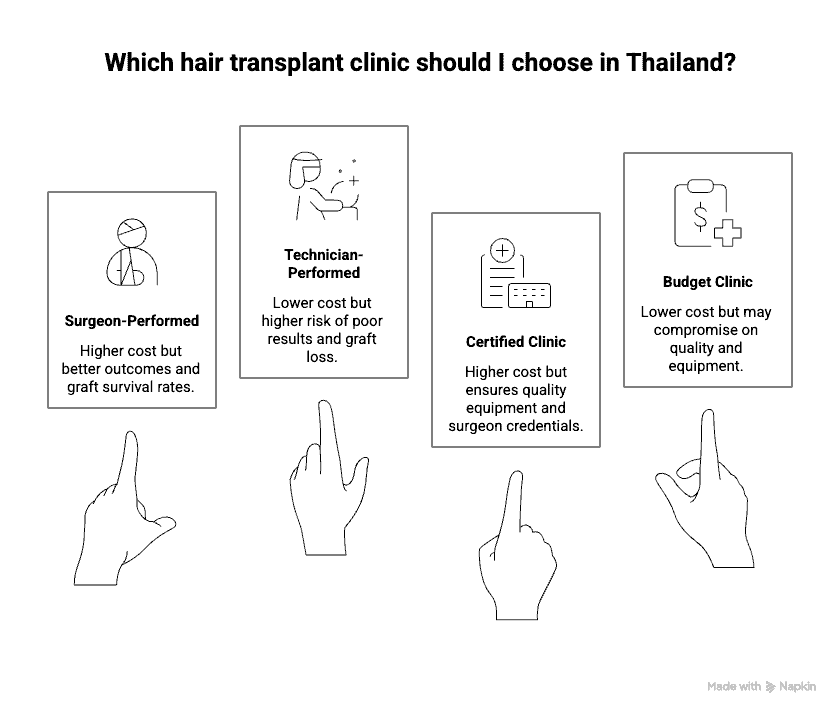
Surgeon-Performed vs Technician-Performed
This is the single most important factor in hair transplant pricing and outcomes, and I’ll repeat it as many times as I need to: the question you must ask every clinic is, “Who performs the extractions and implantations — the surgeon or the technicians?”
Budget clinics charging 40–60 THB per graft typically use technicians who do the majority of the technical work. The surgeon may be present in the building. They may review the hairline design. But the hands doing the actual follicle extractions and placements? Often not the surgeon.
At Dr. Top Hair Hospital, every extraction and every implantation is performed by a doctor, and I oversee every procedure. It takes longer and it costs more to deliver. But graft survival rates, result consistency, and patient satisfaction are dramatically better when doctors are the ones doing the work.
Clinic Credentials and Equipment
ABHRS (American Board of Hair Restoration Surgery) Diplomate status and ISHRS (International Society of Hair Restoration Surgery) membership are widely recognized credentials in this field. Clinics with certified surgeons investing in FDA-approved equipment, advanced graft storage solutions like HypoThermosol, and proper implanter pens will charge more — and the outcomes justify it.
Cheaper equipment and less rigorous storage protocols translate directly to lower graft survival rates. You can save $1,500 on the procedure and lose 30% of your grafts due to poor handling. That’s not a saving.
Volume vs Quality
The math of budget clinics is simple: more patients per day equals more revenue. A clinic running five patients simultaneously at 40 THB per graft is earning the same as a clinic running one patient at 200 THB per graft — but with five times the throughput. The incentive to cut corners exists, and many clinics act on it.
I made the deliberate choice to keep our caseload small, so every procedure has my full oversight from start to finish. It means we see fewer patients overall, but the results we produce are consistent and reproducible — and that’s what gets me referrals from other medical professionals who choose me for their own procedures.
Is Getting a Hair Transplant in Thailand Worth It?
The underlying anxiety I hear from international patients is this: “Am I sacrificing quality for price?” And my honest answer is no — not if you choose the right clinic.
Thailand’s lower procedure costs reflect lower operating costs, not lower surgical skill. Bangkok has world-class hospitals, a mature medical tourism infrastructure, and internationally trained surgeons who choose to practice here because it’s home — not because they couldn’t get credentials elsewhere. Thailand’s medical tourism sector is valued at over $100 million and grows more than 12% annually. That’s not an accident.
What I’d ask you to think about is this: a hair transplant is a permanent, irreversible procedure. The grafts that are extracted from your donor area are gone. The results you grow are what you’ll live with for the rest of your life. The $1,000–$2,000 you save by choosing a budget technician-operated clinic is not worth the risk of a suboptimal result that requires expensive revision surgery — or can’t be revised at all.
Choose your surgeon, not just your destination. Make sure it’s a surgeon performing the procedure, verify their credentials, and look at real patient results. If all of those check out, Thailand offers genuinely exceptional value.
What to Look for When Choosing a Hair Transplant Clinic in Thailand
Bangkok alone has dozens of clinics advertising hair transplants, and the quality range is enormous. A beautiful website, a modern lobby, and a low price tag tell you almost nothing about the actual outcome you’ll get. Here’s how I’d evaluate any clinic — including mine — if I were a patient doing research from abroad.
Verify the Surgeon’s Credentials Before Anything Else
The two credentials that matter most in hair restoration are ABHRS (American Board of Hair Restoration Surgery) Diplomate status and ISHRS (International Society of Hair Restoration Surgery) membership. These aren’t honorary titles — they require documented surgical experience, case submissions, peer review, and ongoing education. A surgeon who holds these credentials has been evaluated by their peers internationally, not just locally licensed.
When you look at a clinic’s website, find the surgeon’s name and search their credentials independently. You can verify ABHRS certification directly through the ABHRS website. If a clinic’s marketing centers on the clinic brand rather than the surgeon’s name and qualifications, that’s worth noting. You’re not hiring a brand — you’re hiring a surgeon.
Ask Who Actually Performs the Procedure
This is the single question that separates good clinics from great ones — and great ones from ones you should avoid entirely. Ask directly: does the surgeon perform the extractions and the implantations, or do technicians handle those steps? Get the answer in writing if you can.
A reputable clinic will answer this question without hesitation and with specifics. If the answer is vague, ask directly who performs each step and whether that person is a licensed doctor. Push for clarity. Your grafts depend on it.
Look at Real Patient Results — Not Stock Photos
Before-and-after photos are the most useful evidence a clinic can show you — but only if they’re real. Look for: consistent photography angles and lighting (a sign of professional documentation), results at 12 months post-op or later (early photos at 3–6 months can look deceptively good before full growth establishes), a range of hair loss patterns similar to yours, and ideally patient testimonials or video reviews that show the person behind the result.
If a clinic’s gallery is thin, features only their most dramatic results, or shows photos with mismatched lighting and angles, be cautious. At Dr. Top Hair Hospital, every patient in our gallery is a real patient and we document results at multiple stages. I’m happy to share cases similar to your hair loss pattern during your consultation.
Red Flags to Watch Out For
After years in this field, I’ve seen the patterns that tend to indicate a clinic prioritizing volume over outcomes. Watch out for: prices that seem dramatically lower than the market without explanation, package deals that don’t specify graft count, pressure to book quickly or claims that pricing is only available for a limited time, before-and-after photos that all look suspiciously similar, and clinics that are reluctant to give you a direct answer about who performs the procedure.
A good clinic welcomes scrutiny. I genuinely enjoy consultations where patients come prepared with hard questions — it tells me they’ve done their research and they’ll be realistic about the recovery process. If a clinic gets defensive when you ask about surgeon involvement or credentials, walk away.
What to Expect During Your Hair Transplant Trip to Bangkok
One of the most common things I hear from international patients after they’ve been through the process is: “It was much more straightforward than I expected.” Bangkok is an incredibly well-organized city for medical tourism. Here’s a realistic timeline of what your trip will look like from arrival to recovery.
Before You Arrive — Pre-Op Preparation
Once you’ve confirmed your booking, my team will send you a detailed pre-operative guide. The key things to take care of before you fly: stop taking blood thinners and anti-inflammatory medications (including aspirin, ibuprofen, and vitamin E) at least one week before the procedure. Avoid alcohol for 72 hours beforehand. Don’t cut your hair shorter than 1–2 cm unless instructed — we need sufficient length to assess density and plan the hairline.
I also recommend arriving in Bangkok at least one day before your procedure date. Jet lag affects platelet function and healing, and I want you well-rested before we start. Use that first day to settle in, explore the city, and get a good night’s sleep. Bangkok has no shortage of excellent hotels at every price point within easy reach of our clinic.
Procedure Day: What Actually Happens
On procedure day, you’ll arrive at the clinic in the morning. We start with a final consultation and hairline design — the hairline is drawn on your scalp and reviewed with you before anything else happens. This is your opportunity to ask last-minute questions and make sure we’re aligned on the plan.
Once you’re comfortable with the design, we administer local anesthesia. Most patients find this the most uncomfortable part of the day — a few minutes of pinching as the anesthetic takes effect. After that, most patients find the procedure itself very tolerable. You’ll be reclined comfortably; most patients watch Netflix, listen to music, or simply doze during the extraction phase. Our doctors take single follicular units from your donor area one by one, under my oversight. Depending on your graft count, this takes 3–5 hours. After a short break, we move to implantation, also performed by our doctors. Total procedure time for most patients is 6–9 hours.
By the time you leave the clinic that evening, your new grafts are in place. You’ll have some redness and minor swelling — completely normal. We’ll go through your post-op care kit together and I’ll be reachable by WhatsApp if you have any questions during your recovery stay.
Recovery in Bangkok: The First 7 Days
Days 1–3 are the most important for graft survival. Sleep with your head elevated (we provide a travel pillow), avoid touching or scratching the recipient area, and follow the washing protocol exactly as instructed. Swelling around the forehead and eyes is common on days 2–3 — it looks alarming but is completely normal and resolves on its own.
By day 4 or 5, most patients feel well enough to move around Bangkok comfortably. Many spend this time exploring the city at a relaxed pace — visiting temples, enjoying the food scene, or simply resting in a comfortable hotel. I recommend avoiding direct sun on the recipient area, dusty environments, and strenuous activity for the first week.
At day 7–10 we do a follow-up check before you fly home. I assess the recipient area, answer any questions, and send you home with clear written instructions for the months ahead. The shedding phase — where the transplanted hairs fall out before regrowth begins — typically starts around weeks 2–4. This is normal and expected. I tell every patient: the worst your hair will look is around weeks 3–6. After that, growth begins.
What to Expect at 3, 6, and 12 Months
At 3 months, you’ll start to see the first fine hairs emerging from the transplanted follicles. They’re thin and wispy at this stage — don’t judge the result yet. At 6 months, roughly 60–70% of your final result is visible. Most patients are genuinely encouraged by this point. The full result — including final density, caliber, and natural appearance — establishes at 12 months post-procedure.
I stay in contact with all my patients throughout this process via WhatsApp. Progress photos at 3, 6, and 12 months help me monitor your growth and address any questions. Hair transplant surgery is a long game, and I consider my job done only when you’re happy with what you see in the mirror at the 12-month mark.
How to Budget for Your Hair Transplant Trip to Thailand
Planning your total budget — not just the procedure cost — is one of the most important steps before you book. Here’s a realistic breakdown for patients coming from our three most common origin countries. These figures are based on real patient trips, not theoretical estimates.
Sample Budget: US Patient
| Expense | Budget Range | Notes |
| Round-trip flights | $600–$1,200 | LAX/JFK to BKK; book 6–8 weeks ahead for best rates |
| Hotel (5 nights) | $200–$750 | Bangkok has excellent mid-range and luxury options |
| Procedure cost | $3,000–$5,500 | Surgeon-performed FUE/DHI, 1,500–3,000 grafts |
| Meals & transport | $200–$400 | Bangkok is very affordable for food and taxis/Grab |
| Travel insurance | $50–$150 | Strongly recommended |
| TOTAL | ~$4,050–$8,000 | vs $8,000–$20,000 for the same quality in the US |
Even at the high end of this estimate, a US patient saves $5,000–$12,000 compared to a surgeon-performed procedure in a major American city. Most patients land comfortably in the $5,000–$6,500 all-in range.
Sample Budget: UK Patient
| Expense | Budget Range | Notes |
| Round-trip flights | $400–$900 | LHR/MAN to BKK; many direct and one-stop options |
| Hotel (5 nights) | $200–$750 | Wide range available near clinic |
| Procedure cost | $3,000–$5,500 | Surgeon-performed FUE/DHI, 1,500–3,000 grafts |
| Meals & transport | $200–$400 | Very affordable compared to London |
| Travel insurance | $50–$150 | Strongly recommended |
| TOTAL | ~$3,850–$7,700 | vs £4,000–£12,000 for the same quality in the UK |
UK patients benefit from relatively affordable direct flights and find Bangkok’s cost of living dramatically lower than London. Most UK patients complete the full trip — flights, hotel, and procedure — for less than the procedure alone would cost at a reputable London clinic.
Sample Budget: Australian Patient
| Expense | Budget Range | Notes |
| Round-trip flights | $300–$800 | SYD/MEL/BNE to BKK; short haul, competitive fares |
| Hotel (5 nights) | $200–$750 | Bangkok hotels offer excellent value vs Australian cities |
| Procedure cost | $3,000–$5,500 | Surgeon-performed FUE/DHI, 1,500–3,000 grafts |
| Meals & transport | $200–$400 | Bangkok food and transport is very affordable |
| Travel insurance | $50–$150 | Strongly recommended |
| TOTAL | ~$3,750–$7,600 | vs AUD $8,000–$18,000 for the same quality in Australia |
Australian patients have the shortest travel of any of our international markets — Bangkok is closer to Sydney than London is. Same-day arrivals are common, and the compatible time zone makes communication with family back home easy throughout the trip. For Australian patients, the Thailand hair transplant value proposition is arguably the strongest of any international market.
Conclusion
If you’ve read this far, you’re doing the right thing: researching carefully before making a permanent decision. That’s exactly the kind of patient I enjoy working with.
You have done the research. You understand what drives the price, what separates a surgeon-performed procedure from a technician-run one, and what to look for in a clinic. The next step is finding out exactly where you stand.
Send your photos via WhatsApp and the team will review your hairline and donor area. You will receive a personalized graft estimate and a transparent price quote with no hidden fees, no inflated numbers, and no obligation to book.
Wondering if you’re a good candidate? Take our free 2-minute assessment to find out — no obligation, and your details stay completely private.
Reviewed by Dr. Top, Diplomate of the American Board of Hair Restoration Surgery (ABHRS). Over 10,000 procedures performed across more than 20 years, with patients travelling from over 11 countries including the UK, Germany, Australia, Canada, France, and across Asia.
The price quoted is the price you pay. Start here.