

If you’ve been searching for answers about hair loss, you’ve probably stumbled across a lot of conflicting information. Some of it is helpful. A lot of it isn’t. Hair transplant myths are everywhere, and they stop people from exploring a treatment that could genuinely change their lives. Let’s cut through the noise and get to the facts.
Key Takeaways
- Modern hair transplant techniques like FUE (Follicular Unit Extraction) and FUT (Follicular Unit Transplantation) produce natural-looking, long-lasting results — the old “hair plug” era is long gone.
- Hair transplants are not just for men or older patients; women experiencing hair loss and younger adults with stable hair loss patterns are also strong candidates.
- Full results typically take 12 to 24 months, so patience is part of the process — but the outcome is worth it.
Why Hair Transplant Myths Still Spread
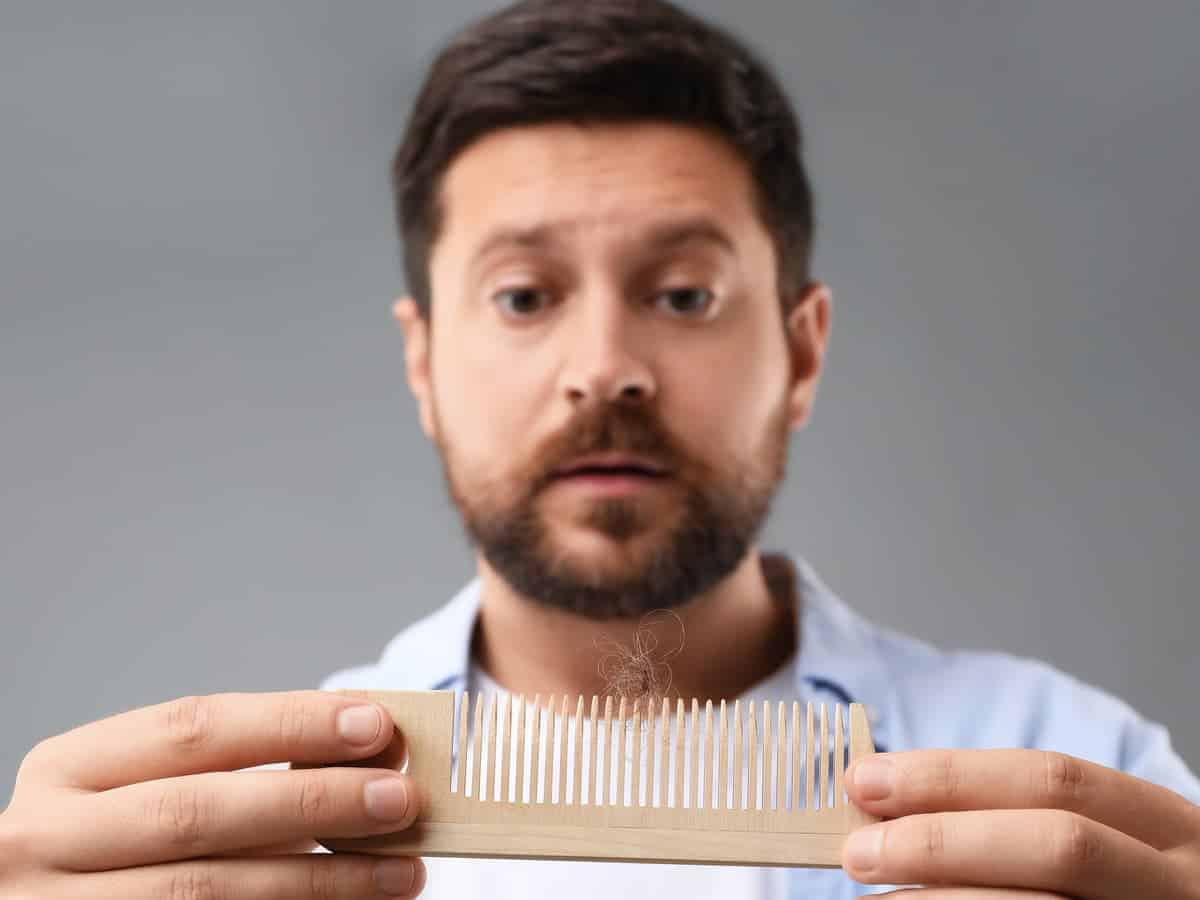
Despite how far hair restoration has come, misconceptions about hair transplants continue to circulate — on forums, in barbershops, and across social media. Part of the problem is that older, outdated images of hair transplants still exist online, and they don’t reflect what modern hair transplant surgery actually looks like today.
The other issue is that hair loss is an emotional topic. When people are vulnerable, they’re more susceptible to half-truths and outdated advice. That’s exactly why it’s worth having these myths debunked by experts, so you can walk into your consultation with realistic expectations and real confidence.
Myth 1: Hair Transplants Always Look Unnatural
This is probably the most persistent misconception out there. When people picture a hair transplant, they think of the old “hair plug” look, clumpy, doll-like rows that look nothing like a real hairline.
Free Assessment
Not Sure How Many Grafts You Need?
Get a personalized treatment plan from Dr. Top's team. Takes 2 minutes to complete — no cost, no obligation.
That image belongs to a different era. Modern techniques, specifically FUE and FUT, work by transplanting individual follicular units that match your natural hair pattern and direction. A skilled surgeon designs a hairline that suits your face shape and existing density. Done well, results are generally indistinguishable from natural hair, since it is your own hair growing in a new spot, though how close that gets to “completely natural” still depends on surgeon skill and your individual hair characteristics.
Myth 2: Hair Transplants Are Only for Men
Hair loss is often portrayed as a male issue, but this leaves out a significant number of people who actually seek treatment. Women experiencing hair thinning, diffuse hair loss, or a receding hairline are viable candidates for transplantation, though female pattern hair loss differs from male pattern baldness, which is why candidacy is evaluated on its own terms rather than ruled out by default.
Hair transplant procedures adapted specifically for women, including techniques that preserve the length of surrounding hair and don’t require shaving the full scalp, are widely available. A proper consultation looks at the type of hair loss, donor density, and overall scalp health before determining whether transplantation is the right approach.
Myth 3: The Results Are Instant
Growth takes time. Here’s a realistic general timeline, based on commonly cited clinical patterns:
| Timeframe | What to Expect |
|---|---|
| 2–4 weeks post-procedure | Transplanted hair sheds (this is normal) |
| 3–4 months | New hair begins to grow |
| 6–9 months | Growth becomes clearly visible |
| 12–24 months | Results mature to their final appearance |
This shedding phase alarms a lot of people, but it’s a normal part of the process. The follicle is still alive underneath the scalp and will resume producing hair on its own schedule.
Myth 4: Hair Transplants Are Extremely Painful
The fear of pain keeps many people from booking a consultation, but this myth doesn’t hold up well. Hair transplant surgery is performed under local anesthesia, so the scalp is numbed before work begins; most patients are awake and comfortable throughout. There may be some mild soreness or swelling afterward, but it resolves quickly and is easily managed.
Myth 5: Transplants Are Too Expensive
Cost is a legitimate concern, but the idea that hair transplants are automatically out of reach financially is misleading. The actual investment depends on several factors: the technique used, the number of grafts needed, the surgeon’s level of expertise, and where the procedure takes place.
Thailand, in particular, has become a preferred destination for hair restoration precisely because it offers internationally accredited care at a significantly lower cost than clinics in the UK, Europe, or Australia, without compromising on quality. For patients considering options abroad, Thailand’s combination of trained specialists, modern facilities, and medical tourism infrastructure makes it a genuinely strong choice.
Myth 6: FUE and FUT Leave Obvious Scars
Both techniques involve some degree of scarring, but the visibility differs, and neither should be a dealbreaker.
FUT leaves a thin linear scar at the back of the head, typically easy to cover with hair of normal length.
FUE leaves tiny, dot-like marks scattered across the donor area, which tend to become much harder to notice once hair grows back over the scalp.
Myth 7: You’ll Lose the Transplanted Hair Eventually
This is one of the more discouraging myths, and it doesn’t hold up for most patients. Donor hair, typically from the back of the head, comes from follicles that are genetically resistant to the hormonal process behind pattern baldness. That resistance generally carries over once the hair is relocated, so transplanted hair is expected to keep growing long-term in its new location.
That said, non-transplanted areas of the scalp may continue to thin over time as part of natural pattern progression. A good surgeon accounts for your future hair loss trajectory during planning, not just your current state.
Myth 8: Hair Transplants Are Only for Total Baldness
You don’t need to be completely bald to benefit from hair transplantation. In fact, patients with early-stage hair thinning — those who still have a reasonable amount of existing hair are often better candidates because the transplanted hair can be blended seamlessly with what’s already there.
Addressing hair thinning earlier means the surgeon has more to work with, can create a more natural transition, and can plan proactively for any future hair loss. Waiting until complete baldness is not a requirement, and often not ideal.
Myth 9: Younger People Can’t Get Hair Transplants
Age alone isn’t the determining factor; whether hair loss has stabilized matters more. A 25-year-old whose pattern is still actively changing may not be the right candidate yet, while someone slightly older with stable, consistent loss may be.
Each case is evaluated individually during consultation, with analysis of hair loss pattern, scalp laxity, donor density, and long-term planning.

Myth 10: Hair Transplants Require a Long Recovery
Recovery time is often exaggerated. Most patients return to light daily activities within a few days. With Long Hair FUE, some patients are back to normal life within 24 hours. Redness and minor swelling typically resolve within the first week.
You’ll be advised to avoid strenuous exercise and direct sun exposure for a short period, but there is no extended bed rest or lengthy downtime involved. Hair transplants require less disruption to your daily routine than most people expect.
Myth 11: The Donor Area Gets Noticeably Thin or Bare
A common fear is that harvesting grafts from the back of the head will leave a visibly depleted donor area. When a procedure is performed correctly, this shouldn’t happen. An experienced surgeon carefully plans the extraction to spread it across the donor area evenly, maintaining density and avoiding patchiness.
At Dr. Top Hair Hospital, procedures can involve up to 5,000 grafts per session using Long Hair FUE, with standard implant density set at 40 to 50 grafts per cm² and high-density work reaching 60 to 70 grafts per cm². This level of precision ensures both the recipient and donor areas look natural post-recovery.
Myth 12: Back Hair and Body Hair Can’t Be Used as Donor Sources
Most people assume donor hair must come exclusively from the back or sides of the scalp. While this is the preferred and most common donor area due to its genetic resistance to hair loss, back hair and other body hair can actually serve as supplemental donor sources in some cases.
This is particularly relevant for patients with limited scalp donor supply. FUE’s versatility as a technique allows follicles to be harvested from the beard, chest, or back. Though results vary, and this is assessed on a case-by-case basis during consultation.
Myth 13: Any Doctor Can Perform a Hair Transplant
This myth can have real consequences if it leads someone to choose an unqualified provider based on price alone. Hair transplant surgery is a specialized skill that requires years of training, a thorough understanding of hair follicle biology, and a sharp artistic eye for hairline design.
The difference between a qualified specialist and an inexperienced practitioner shows clearly in the results. Dr. Top Hair Hospital’s lead physician is an ABHRS Diplomate and brings over 20 years of experience and more than 10,000 procedures to every case. The clinic was also recognized at the HOFS Awards 2024 and was an AMWC Monaco top-3 finalist, selected from over 1,000 submissions across 60 countries.
Myth 14: Hair Transplants Don’t Work for Women
Women experiencing hair loss are sometimes told that transplants aren’t for them — this is a misconception. While female hair loss patterns differ from male pattern baldness, hair transplant procedures can be effectively adapted for women. Techniques that preserve the length of surrounding hair during extraction are especially popular among female patients who don’t want to shave their heads.
A proper evaluation will determine candidacy based on the type of hair loss, donor density, and overall scalp health. Women are not excluded from hair restoration — they’re just evaluated differently.
Myth 15: You Only Need One Consultation
One final myth worth addressing: that a single quick consultation is enough to get started. A thorough consultation does far more than just confirm you’re a candidate. It maps out your hair loss pattern, assesses future hair loss progression, measures donor area density, sets realistic expectations for growth timelines, and creates a personalized treatment plan.
At Dr. Top Hair Hospital, consultations are detailed and individualized — with a team of approximately 20 medical professionals across 7 Bangkok locations available to support patients at every stage, including international patients from countries including the UK, Germany, Australia, France, and beyond.
Why Thailand Is Worth Considering for Hair Restoration
Thailand has earned a strong reputation as a destination for hair transplantation, and it’s not just because of cost. Thai clinics regularly send their medical teams for continuing education in both Europe and Asia, ensuring that techniques stay current with the highest international standards. Facilities are modern, internationally accredited, and designed with medical tourism in mind — making the entire experience smooth for patients traveling from abroad.
The value proposition is genuine: world-class expertise, competitive pricing, and a recovery environment that doesn’t feel clinical or stressful. For patients in the UK, Europe, or Australia who are weighing their options, Thailand is a legitimate and well-supported choice.
Myth: Hair transplants are unaffordable. Reality: See Thailand pricing.
Conclusion
If any of these myths had you holding back, we hope this helped clear things up. Hair restoration has come a long way, and the right information makes all the difference. At Dr. Top Hair Hospital, every consultation is detailed, personalized, and completely pressure-free — backed by an ABHRS-certified physician with over 20 years of experience and more than 10,000 procedures performed.
Wondering if you’re a good candidate? Take our quick 2-minute hair assessment to find out. No obligation, and your details stay completely private.