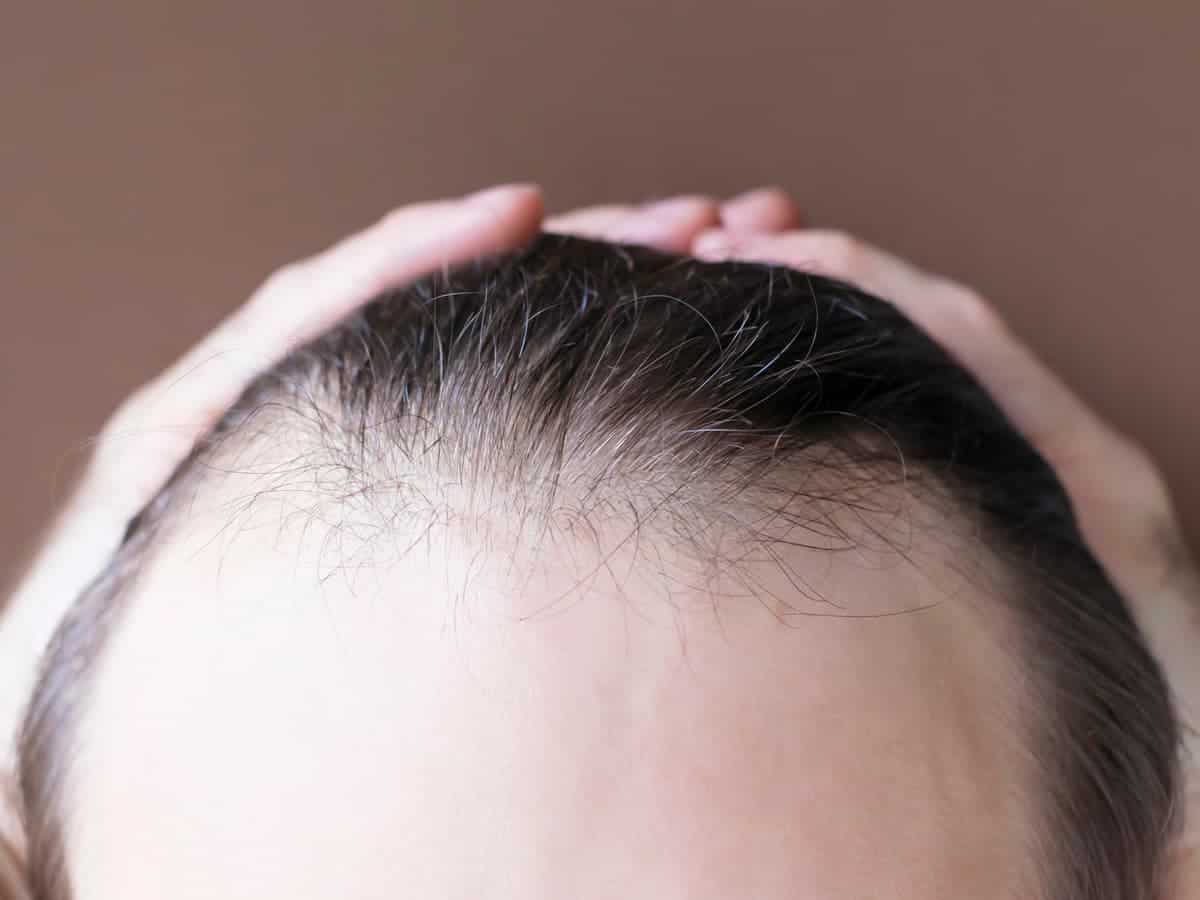

A lot of the people I talk to about FUE ask the same thing early on: do I really have to shave my whole head. It’s a fair concern, especially if you have a job or a lifestyle where that’s not practical right now. Non-shaven FUE exists because of exactly that question, but whether it’s realistic for you depends on your hair length, your donor area, and what you’re hoping to achieve. In this guide, I’ll explain what non-shaven FUE actually involves, who might want to bring it up at a consultation, what shapes the cost, and how it compares to standard FUE.
Key Takeaways
- Non-shaven FUE is worth asking about if keeping your current length matters to you, but it isn’t automatically available to everyone, and suitability comes down to your hair and donor area, not preference alone.
- Cost and recovery both follow your individual treatment plan, not a fixed package, so the honest answer to almost every question here starts with an assessment.
- Comparing non-shaven FUE against standard FUE is a conversation to have with your clinician, not a decision to make from a blog post.
What Does Non-Shaven FUE Actually Mean?
Non-shaven FUE is an umbrella term used for different preparation methods. Some approaches trim individual donor hairs, others shave concealed donor windows, and long-hair approaches preserve more shaft length. Do not assume it means no shaving anywhere. Ask exactly which areas would be cut or shaved and whether that approach suits your donor supply and coverage goals.
I want to be upfront that this isn’t something every patient qualifies for. It depends on your hair length, how your donor area is distributed, and the scope of what we’re treating. DrTop’s existing non-shave service page covers more on how this is approached at the clinic.
Who Might Want to Bring This Up at a Consultation?
Non-shaven FUE tends to come up for people who care about a few specific things:
Free Assessment
Not Sure How Many Grafts You Need?
Get a personalized treatment plan from Dr. Top's team. Takes 2 minutes to complete — no cost, no obligation.
- Work or social commitments where a shaved head isn’t practical right now
- Wanting to keep their current hairstyle through the healing period
- Having hair long enough in the donor area to work with
- Coverage goals that fit within what a non-shaven approach can realistically achieve
- Prior procedures that might affect how much donor hair is usable
None of this means you’re automatically a candidate. It just means these are worth raising when we talk.
What Actually Affects Whether Non-Shaven FUE Is Appropriate for You
I look at several things before telling anyone this approach makes sense for their case, including your current hair length, how healthy and dense your donor area is, the amount of coverage you need, and your scalp condition overall. This isn’t something I can determine from a photo alone in most cases, and it definitely isn’t something I’d diagnose from an article. It takes an actual assessment to know whether non-shaven FUE fits your situation or whether standard FUE would serve you better.
What Affects a Personalised Quote for Non-Shaven FUE
Cost here follows the same logic as any hair restoration procedure. What I factor in includes:
- How much coverage you need and the estimated graft count
- The condition and density of your donor area
- The added complexity of working around existing hair length rather than a shaved scalp
- Your overall treatment plan, including follow-up and aftercare
- What’s specifically included and excluded in your quote
Non-shaven work can take more time and precision than standard FUE because I’m working around hair rather than a clear field, and that’s something I’ll walk you through honestly rather than folding into a vague flat rate.
Recovery and Appearance Planning Questions
Since keeping your hairstyle intact is usually the whole point of choosing this approach, recovery planning deserves its own conversation. Questions worth thinking through:
- How noticeable will the donor area be immediately after the procedure?
- What guidance will I get on styling or covering the area while it heals?
- How does recovery timing affect work or social plans?
- When would follow-up visits typically happen?
I’d rather walk you through what to realistically expect than promise a specific look during healing.
Non-Shaven FUE vs Standard FUE: Questions to Ask
Neither approach is better across the board. Standard FUE, where the donor area is shaved, tends to give me more visibility and can be more straightforward for larger treatment areas. Non-shaven FUE prioritizes keeping your existing length but can be more involved depending on your hair and donor supply. The right choice depends on your coverage needs, your timeline, and how much you value keeping your current style through recovery. I’d rather go through this with you directly than have you guess which one applies to your case. For more on standard FUE, take a look at FUE Hair Transplant in Bangkok: Cost Factors, Recovery and Consultation Guide.
Risks and limits to discuss
Hair transplantation involves surgery and can cause bleeding, infection, scarring or an unsatisfactory cosmetic result. Donor hair is finite, growth takes months, and further thinning can affect overall appearance. Ask about risks relevant to your case, aftercare and who to contact if a concern develops.
Conclusion
Non-shaven FUE can be a genuinely good fit if keeping your hairstyle through recovery matters to you, but it only works if your hair and donor area cooperate. The only way to know is to let me actually look at your case. If you’re curious whether this approach makes sense for you, send an initial hair assessment enquiry with me and I’ll give you an honest answer.
Our online assessment form supports an initial enquiry. Diagnosis and final surgical planning require a qualified clinician’s assessment.
Further reading: ISHRS: shaven and unshaven terminology.