
Thin brows, over plucked patches, or eyebrows that never fully grew back after years of tweezing are more common concerns than most people realise, and Dr. Top hears about them from patients almost every week. Anyone exploring an eyebrow transplant in Bangkok deserves a clear picture of what a consultation involves, how design planning works, and the honest factors that shape a quote. Nothing replaces sitting down together and examining a patient’s specific brows.
Key takeaways:
- Eyebrow restoration is one of the most detail sensitive procedures Dr. Top performs, since hair direction, density, and facial balance all have to work together
- Design is a collaborative process between patient and clinician, built around donor hair and facial features, never a promised template shape
- A personalised quote depends on the treatment plan, donor area, and follow up care, not a fixed package price
Why Eyebrows Require a Different Level of Precision
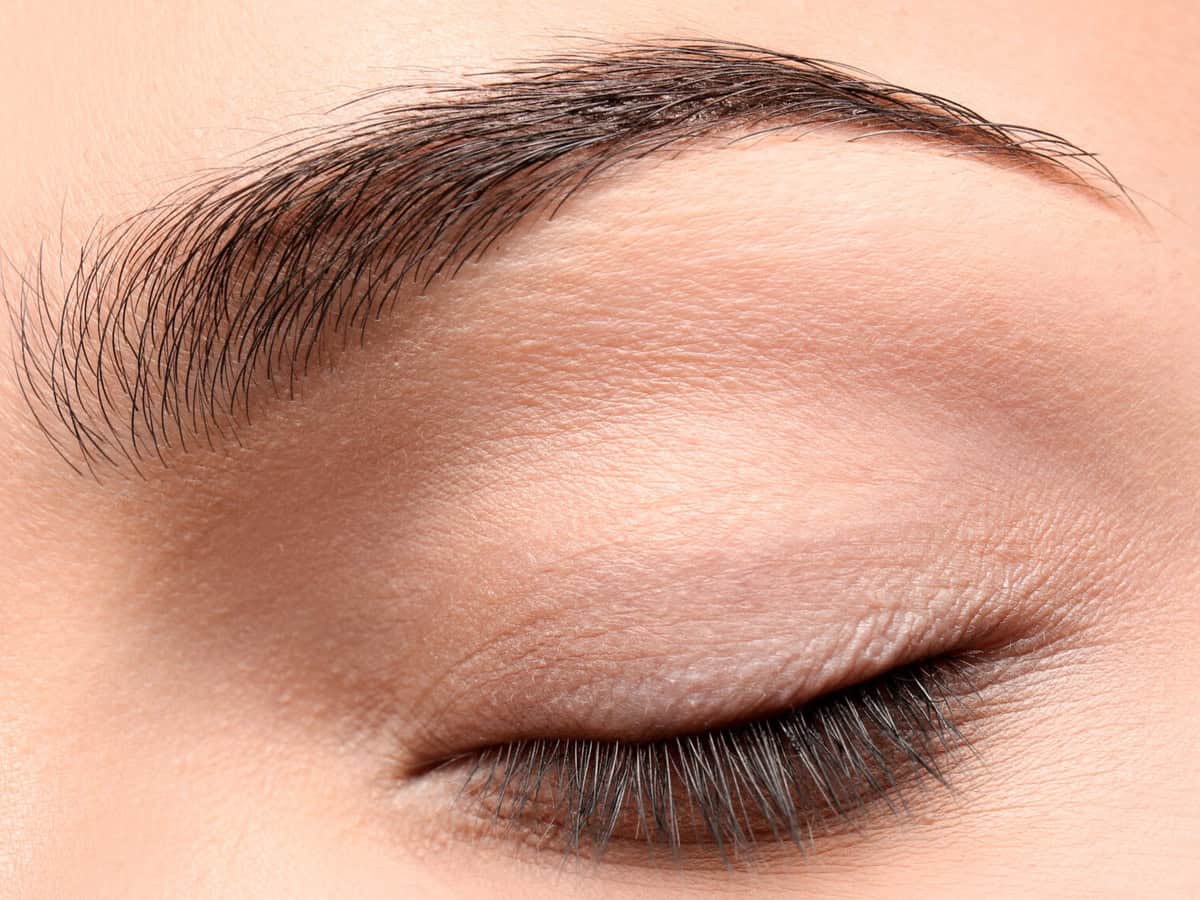
Eyebrows are small, but they carry an enormous amount of expression on the face. A slight difference in hair direction or density can change how balanced or natural a brow looks, which is why eyebrow restoration is treated as one of the most technically demanding procedures at the clinic. Unlike scalp hair, eyebrow hair grows in multiple directions and at a much shorter length, so every single graft placement has to account for angle, direction, and the natural flow of existing brow hair. This is not a procedure where a generic approach works. It requires patience, a steady hand, and a genuine understanding of facial proportion.
What Is Eyebrow Transplantation, Exactly?
Eyebrow transplantation involves relocating individual hair follicles, typically from a donor area on the scalp, into the eyebrow region to rebuild fullness, shape, or coverage. Dr. Top harvests healthy follicular units and places them one at a time, following a direction and angle that mimics how natural brow hair grows. The goal is always to work with a patient’s existing features rather than impose a shape that doesn’t suit the face. Every case is different, and the reasoning behind each plan is explained clearly so it makes sense before moving forward.
Free Assessment
Not Sure How Many Grafts You Need?
Get a personalized treatment plan from Dr. Top's team. Takes 2 minutes to complete — no cost, no obligation.
What Happens During an Eyebrow Consultation
A first visit usually starts with a conversation, not a physical exam. Understanding the patient’s goals comes first. Is the aim to restore a natural shape after years of over plucking? Fill in patches caused by scarring, alopecia, or a medical condition? Or build more definition and fullness overall? Understanding the motivation behind the request shapes everything that follows.
From there, Dr. Top examines the existing brow pattern closely, looking at what hair remains, its direction, thickness, and colour. The scalp and donor area are also assessed to determine how much healthy hair is realistically available for the procedure. Medical history matters here too, since certain conditions or medications can influence the treatment plan. Expectations are set honestly during this stage as well. Eyebrow restoration can meaningfully improve fullness and shape, but no specific symmetrical outcome is ever promised before an actual assessment of the brows and donor supply in person.
How Design Planning Actually Works
Design tends to be the part patients are most curious about, and it’s genuinely collaborative from start to finish. Patients are asked about the shape they’re drawn to, whether that’s a softer, rounded brow or something with more defined structure. Staying open is also encouraged, because what looks appealing in a photo doesn’t always suit every face shape.
During this conversation, face and brow preferences are discussed together, along with the direction and angle transplanted hairs will need to grow to look natural, and what density is realistically achievable given the available donor hair supply. There’s no single ideal eyebrow shape that applies to everyone, and no exact symmetrical result is ever promised before an assessment. What can be promised is a clear explanation at every step, so patients understand why a particular design is being recommended for their face specifically.
What Can Affect a Personalised Quote
A quote should reflect planned coverage, design complexity, donor hair and follow-up. Ask whether any advertised package fits your specific plan and which costs are included or excluded.
Aftercare and follow up are part of the quote as well, since ongoing monitoring after a procedure is considered part of responsible care, not something optional. Because eyebrow work demands this level of precision, quotes vary meaningfully from patient to patient, and personalised numbers should always come from an actual consultation rather than general figures found online.
Questions about additional treatments
If an additional procedure is proposed, ask what it is intended to do, what evidence supports its use for eyebrows, what risks it adds and whether it is optional. Do not assume an additional treatment has proven benefits for every eyebrow case.
Recovery, Grooming, and Travel Questions Worth Asking
Healing timelines vary from person to person, so this is best answered honestly during consultation rather than through a generic number that might not apply to a given situation. Useful questions to bring to a consultation include how the treated area may look and feel in the days following the procedure, when it’s reasonable to resume grooming routines like brow shaping or makeup application, and what to plan for when travelling to Bangkok specifically for this procedure, which many patients do.
Every recovery plan is based on the actual procedure performed and how a patient’s body tends to heal, not a copy paste timeline pulled from a general article.
Questions Worth Asking Before Booking Anywhere
Whether choosing to consult with Dr. Top or explore other clinics, patients should feel equipped to ask the right questions. Who will be performing the evaluation and the procedure? Is there a treatment plan in writing rather than a verbal description? Do any example results shown come from consenting patients with proper context, not stock photography or cherry picked cases?
A clinic that welcomes these questions and answers them clearly is one worth trusting with a procedure this detailed. Hesitation to explain an approach clearly is worth paying attention to.
Trimming and the cause of brow loss
Scalp donor hair may grow longer than natural eyebrow hair, so ongoing trimming may be needed after healing. Sudden or patchy brow loss needs diagnosis before cosmetic surgery. An inflammatory or autoimmune condition can change suitability.
Risks and limits to discuss
Hair transplantation involves surgery and can cause bleeding, infection, scarring or an unsatisfactory cosmetic result. Donor hair is finite, growth takes months, and further thinning can affect overall appearance. Ask about risks relevant to your case, aftercare and who to contact if a concern develops.
Ready to Talk About Your Brows
Every brow tells a different story, and the only real way to know what’s achievable is a direct conversation where hair and skin can actually be examined. send an initial hair assessment enquiry with Dr. Top to talk through what a personalised eyebrow restoration plan could look like, at a pace that feels right.
Our online assessment form supports an initial enquiry. Diagnosis and final surgical planning require a qualified clinician’s assessment.
Further reading: ISHRS: eyebrow restoration.