
Watching your hairline creep backward is one of the most common reasons people start researching hair transplants, and also one of the easiest areas to get wrong if it’s rushed. Before you book anything, it helps to understand what a proper hairline assessment actually involves, why hairline design needs careful planning, and which questions separate a thoughtful consultation from a sales pitch.
Key Takeaways
- A change in hairline shape does not establish its cause. A clinician can assess whether it reflects maturation, pattern hair loss, or another condition.
- Hairline design at the front of the scalp is one of the most technically demanding parts of a transplant, since it has to look natural now and still make sense years into the future.
- The right questions at your consultation can reveal whether a clinic is planning conservatively for your long-term pattern or simply chasing an immediate, impressive-looking result.
Is Your Hairline Actually Receding, or Is It Maturing?
Hairline shape can change with age, but age and appearance alone do not distinguish normal variation from ongoing hair loss. A clinician considers your history, progression, scalp and hair characteristics before discussing treatment.
Pattern hair loss can involve thinning at the temples and frontal scalp, but other causes also need consideration. Even when pattern hair loss is confirmed, surgery is not automatically the next step. Stability, donor supply, treatment options and your goals all affect whether a hair transplant is appropriate for your case.
Why Hairline Design Needs Careful Planning
The hairline frames the face, so its position, shape and transition into denser hair deserve careful attention. How a result looks depends on facial proportions, hair characteristics, styling and lighting. A thoughtful design should suit you now while accounting for possible future hair loss.
Free Assessment
Not Sure How Many Grafts You Need?
Get a personalized treatment plan from Dr. Top's team. Takes 2 minutes to complete — no cost, no obligation.
This is why hairline work depends heavily on individual graft placement rather than a fixed template. A natural hairline isn’t a straight line; it has an irregular, slightly uneven border made up of single-hair grafts placed first, with denser grafts placed progressively further back. Getting that transition zone right is part science and part artistry, which is exactly why surgeon experience matters so much specifically at the hairline.
Why Timing and Future Loss Risk Matter
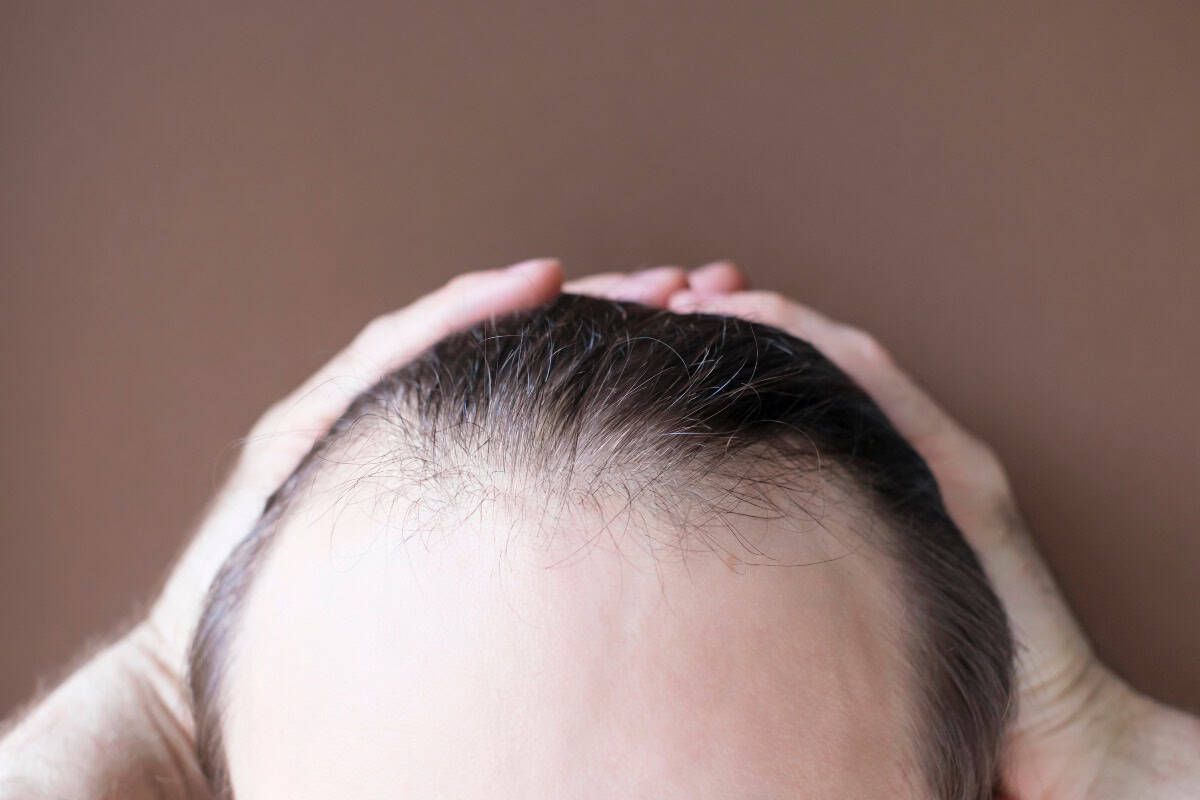
An overly low or dense hairline can use donor hair that may be needed elsewhere later. Because a receding hairline is often the earliest visible sign of an ongoing, progressive condition, a hairline that is set too low or too aggressively can end up looking unnatural if the hair further back continues to recede around it.
A conservative design may be appropriate when future loss is uncertain or donor supply is limited. Further surgery is not guaranteed to be possible, so ask how the proposed design would look if surrounding hair continued to thin and no additional procedure were performed.
What Your Consultation Should Actually Cover
A proper hairline consultation should go beyond a quick look and a graft estimate. Expect a conversation that covers:
- Your specific pattern. Whether your recession is limited to the temples, involves the full frontal hairline, or is part of a broader thinning pattern that includes the crown or mid-scalp.
- Your donor area. How much donor hair is available now, and how that should be allocated if you might also want crown or mid-scalp work later.
- Your age and family history. Both factor into how conservatively your hairline should be designed and how likely further recession is over time.
- Hairline shape and position. A good consultation involves a real discussion, sometimes with a mirror or a marked outline, about where your hairline will sit and why that position was chosen for your face and pattern specifically.
- A long-term plan, not just a single session. Ask whether the plan anticipates future sessions and how today’s design accommodates that possibility.
You can review examples of surgical planning and outcomes on the results page, and get a personalized starting point through a free hair assessment.
Questions to Ask Before You Commit
- Is my hairline receding due to androgenetic alopecia, or could this be natural maturation?
- How will you decide where to set my hairline, and why is that the right position for my face and age?
- What is my donor area’s condition, and how will hairline work affect what’s available for other areas later?
- How do you plan for future hair loss when designing a hairline today?
- Will grafts be placed individually to create a natural, irregular border, or will the plan use a more uniform density line?
- What would make you recommend waiting or holding off on hairline surgery for someone in my situation?
- What does recovery typically involve, and what results timeline should I realistically expect?
Conclusion
A receding hairline can feel urgent, but taking time to understand its cause and your options helps you make an informed decision. Start the free online hair assessment to share your goals with Dr. Top’s team. This is an initial information-gathering step; a clinical assessment is needed to establish diagnosis and suitability for treatment.
Further Reading
For further reading on planning and donor limits, see the ISHRS guide to your new hairline.