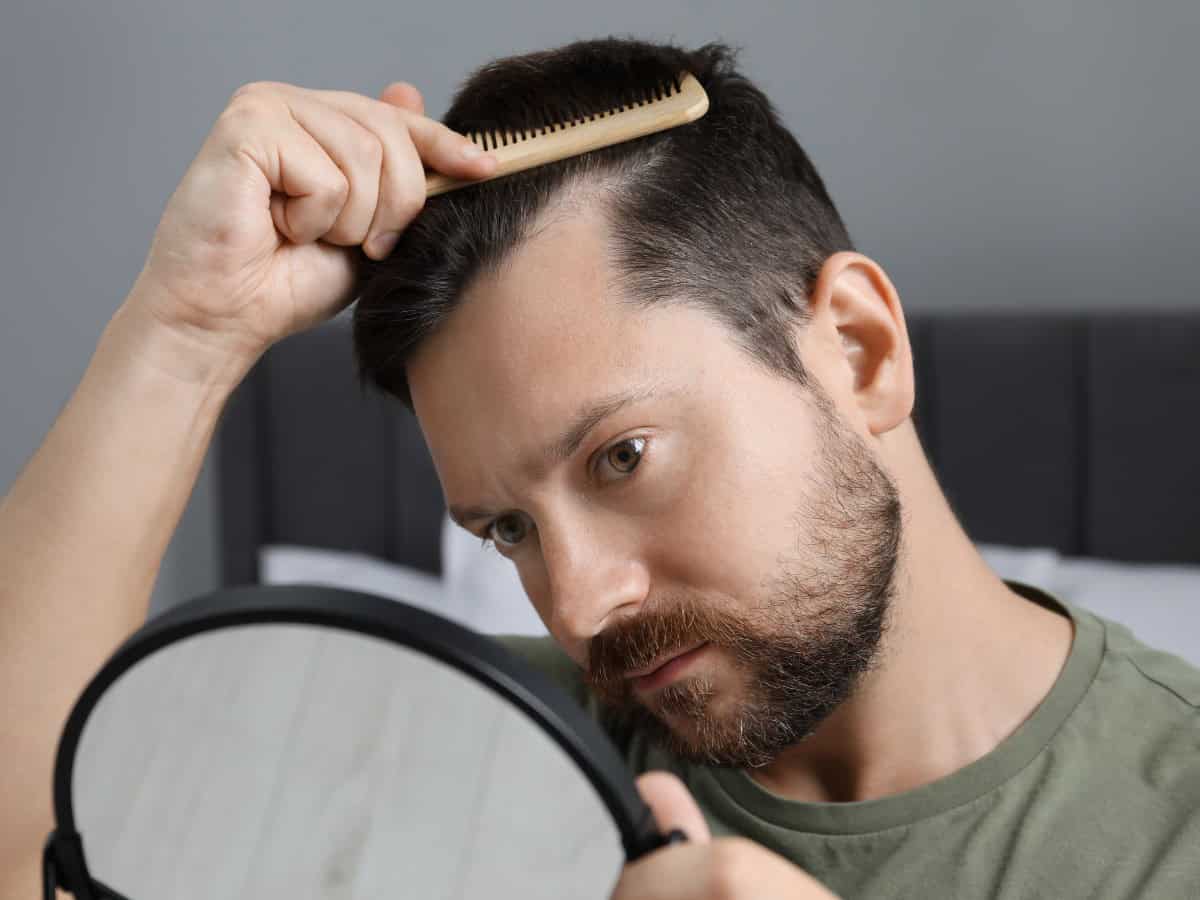

One of the most common things I hear from patients is not just “how much does a no-shave hair transplant cost?” It’s: “Can I really have this done without anyone knowing?” That question tells me a lot. It tells me that for many people, the concern isn’t hair loss itself. It’s the visibility of treating it. The thought of walking into work with a shaved head, fielding questions from colleagues, or having a deeply personal decision become the topic of office conversation, that’s the real hesitation. And it’s completely understandable.
In over 20 years of performing hair restoration and more than 10,000 procedures, I’ve worked with patients from the UK, Australia, Germany, France, and across Asia, and the concern about discretion comes up consistently regardless of age, nationality, or profession. The no-shave FUE hair transplant exists precisely to address that concern. But it does come at a premium, and whether that premium is genuinely worth it deserves an honest, straightforward answer.
Key Takeaways
- No-shave FUE typically costs 20 to 30% more than standard shave FUE, offering genuine discretion and a faster return to everyday life with most patients resuming normal activity within 24 hours.
- The no shave hair transplant cost depends on the number of grafts needed, surgeon expertise, clinic standards, and how much of the scalp remains unshaved during the procedure.
- Not everyone is a suitable candidate. No-shave FUE works best for patients with mild to moderate hair loss and enough existing hair length to naturally conceal the treated areas.
Hair Transplant Overview: Two Paths, One Goal
Before getting into cost, it helps to understand what separates these two approaches at a foundational level.
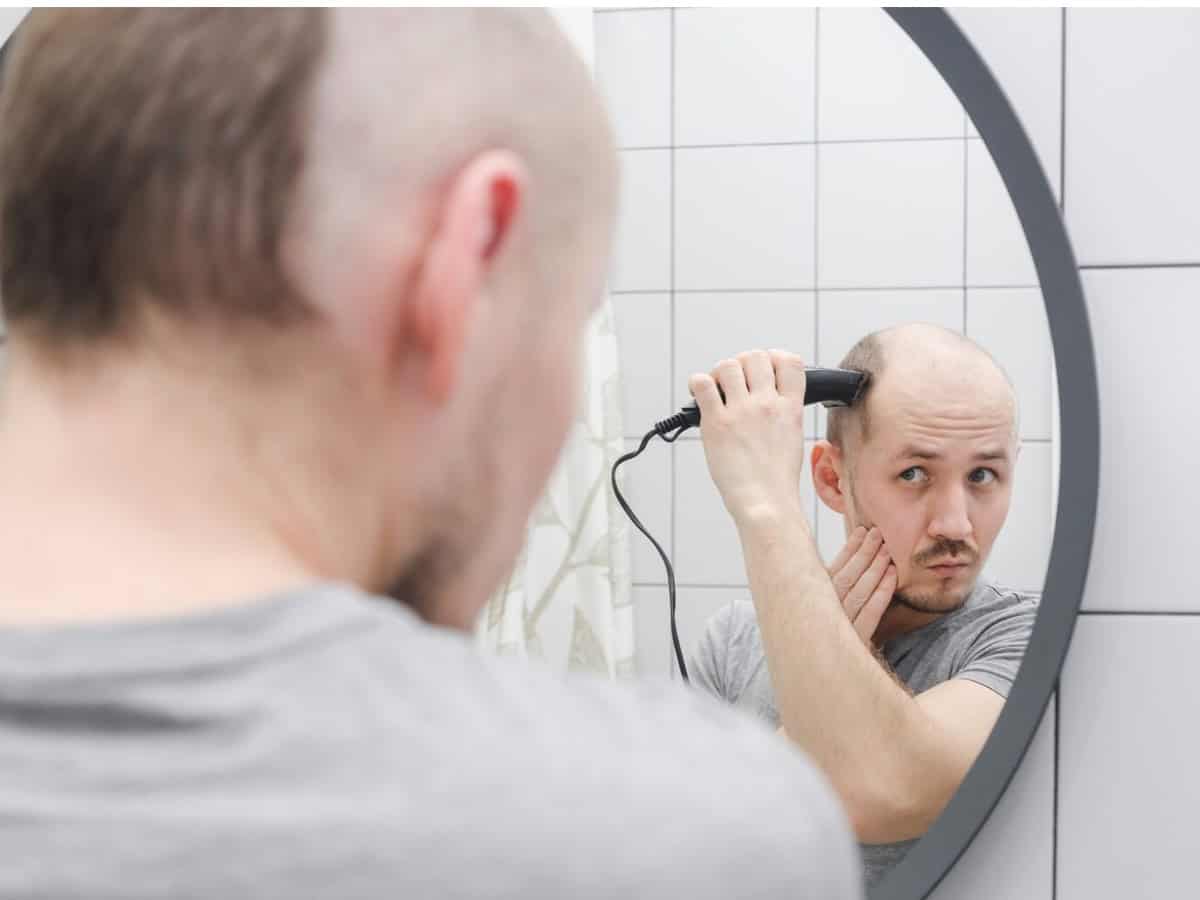
A hair transplant procedure today is most commonly performed using the Follicular Unit Extraction (FUE) technique, which involves extracting individual hair follicles from a donor area and implanting them into thinning or balding zones. In standard shave FUE, the donor area, typically the back and sides of the scalp, is trimmed close before the surgeon begins extraction. This provides clear access to the scalp, shortens procedure time, and allows for a larger number of grafts in a single session. At Dr. Top Hair Hospital, we can transplant up to 5,000 grafts in one no-shave session (our Long Hair FUE approach), with a graft survival rate of approximately 90%.
Free Assessment
Not Sure How Many Grafts You Need?
Get a personalized treatment plan from Dr. Top's team. Takes 2 minutes to complete — no cost, no obligation.
The no-shave hair transplant, also called unshaven FUE or shaveless FUE, works differently. Instead of shaving the entire donor area, the surgeon trims only the specific follicles selected for extraction, leaving the surrounding hair at its full natural length. The result is a scalp that looks largely undisturbed before, during, and immediately after the procedure. According to hair transplantation research published by the NIH, both approaches rely on the same core FUE principles. The difference lies in execution and patient experience, not in the underlying science of graft survival or long-term outcomes.
How No-Shave FUE Hair Transplant Works
Understanding what happens during the procedure is the clearest way to make sense of the cost. No-shave FUE is technically more demanding than standard shave FUE, and that complexity is reflected in pricing.
Here is what a typical procedure looks like, step by step:
- Consultation and planning — The surgeon evaluates your hair loss stage, donor density, hair length, and restoration goals to determine whether you are a suitable candidate and how many grafts are needed.
- Selective trimming — Only the specific follicles chosen for extraction are trimmed short. The surrounding hair stays untouched, immediately concealing the work being done.
- Graft extraction — The surgeon extracts individual hair follicles using precision micro-punch tools, working carefully around untrimmed strands. At Dr. Top Hair Hospital, extracted grafts are preserved in ATP solution, which maintains greater than 95% cell viability — a critical factor in long-term graft survival.
- Graft preparation — Extracted grafts are assessed, sorted, and prepared for implantation. To protect viability, all grafts are implanted within a 6-hour extraction window.
- Recipient site creation — Tiny incisions are made in the recipient area at carefully planned angles and spacing to replicate natural hair growth patterns.
- Implantation — Each graft is placed with precision to achieve a natural hairline and consistent density. Our standard density target is 40 to 50 grafts per cm², with high-density cases reaching 60 to 70 grafts per cm².
A no-shave FUE procedure at Dr. Top Hair Hospital typically runs 6 to 7 hours. Because of the added precision involved in working around existing hair at every stage, sessions accommodate a more limited number of grafts compared to standard shave FUE. This is an important factor to discuss during your consultation.
No Shave Hair Transplant Cost: What You Are Actually Paying For
The no shave hair transplant cost is generally 20 to 30% higher than standard shave FUE. That premium reflects three things: time, technical difficulty, and the level of surgical expertise the procedure demands.
At Dr. Top Hair Hospital, pricing for no-shave FUE is determined during consultation, where we assess the actual number of grafts needed, the scope of unshaved coverage, and your individual hair characteristics. We do not publish flat-rate prices publicly, because two patients with the same visible hair loss can have very different graft requirements. Quoting a number before seeing a patient would not be an honest or useful figure. What we can tell you is how pricing is typically structured.
How pricing is structured:
- Per-graft pricing — Most hair clinics charge on a per-graft basis. No-shave FUE carries a slightly higher per-graft rate than standard shave FUE, reflecting the additional complexity and time required for each individual extraction.
- Scope of unshaved coverage — Whether just the recipient area, just the donor area, or both are kept unshaved affects the final cost. Keeping both areas fully unshaved is the most technically demanding and most expensive option.
- Procedure sessions — Some cases require a follow-up session to achieve the desired density. This is more common in no-shave FUE, where the number of grafts per session is naturally limited by the technique.
Key factors that influence the final cost:
- Number of grafts — The primary cost driver. The more individual hair grafts needed to restore adequate density, the higher the overall investment.
- Surgeon experience and certification — No-shave FUE demands a higher level of surgical precision. ABHRS-certified surgeons with extensive no-shave experience will charge accordingly, and that expertise is directly tied to the quality and safety of your outcome.
- Clinic accreditation and standards — Clinics operating under internationally recognized standards invest in better equipment, training, and aftercare protocols. That investment is reflected in pricing.
- Hair characteristics — Thicker, coarser hair is more complex to work around during extraction, which can extend procedure time and affect the final cost.
No-Shave FUE vs. Standard Shave FUE
| Factor | No-Shave FUE | Standard Shave FUE |
|---|---|---|
| Head shaving required | No (selective trimming only) | Yes (full or partial shave) |
| Procedure time | Longer (6 to 7+ hours) | Shorter |
| Cost | Higher (20 to 30% premium) | More budget-friendly |
| Recovery visibility | Minimal; existing hair conceals treatment areas | More visible during early healing |
| Grafts per session | Smaller yield due to complexity | Up to 5,000 grafts |
| Graft survival rate | Approximately 90% | Approximately 90% |
| Ideal for | Mild to moderate hair loss; privacy-focused patients | Wider range of hair loss stages |
| Return to normal life | Typically within 24 hours | A few days to one week |
| Results | Hair blends naturally from day one | Excellent once regrowth settles |
As peer-reviewed FUE research published in PMC confirms, both techniques produce comparable long-term outcomes when performed by a skilled surgeon. The difference is not in the quality of the final result. It is in the experience surrounding the procedure.
Is the No-Shave Hair Transplant Premium Worth It?
This is the question I get asked most during consultations, and I always give the same answer: it depends on your situation. But let me help you work through that.
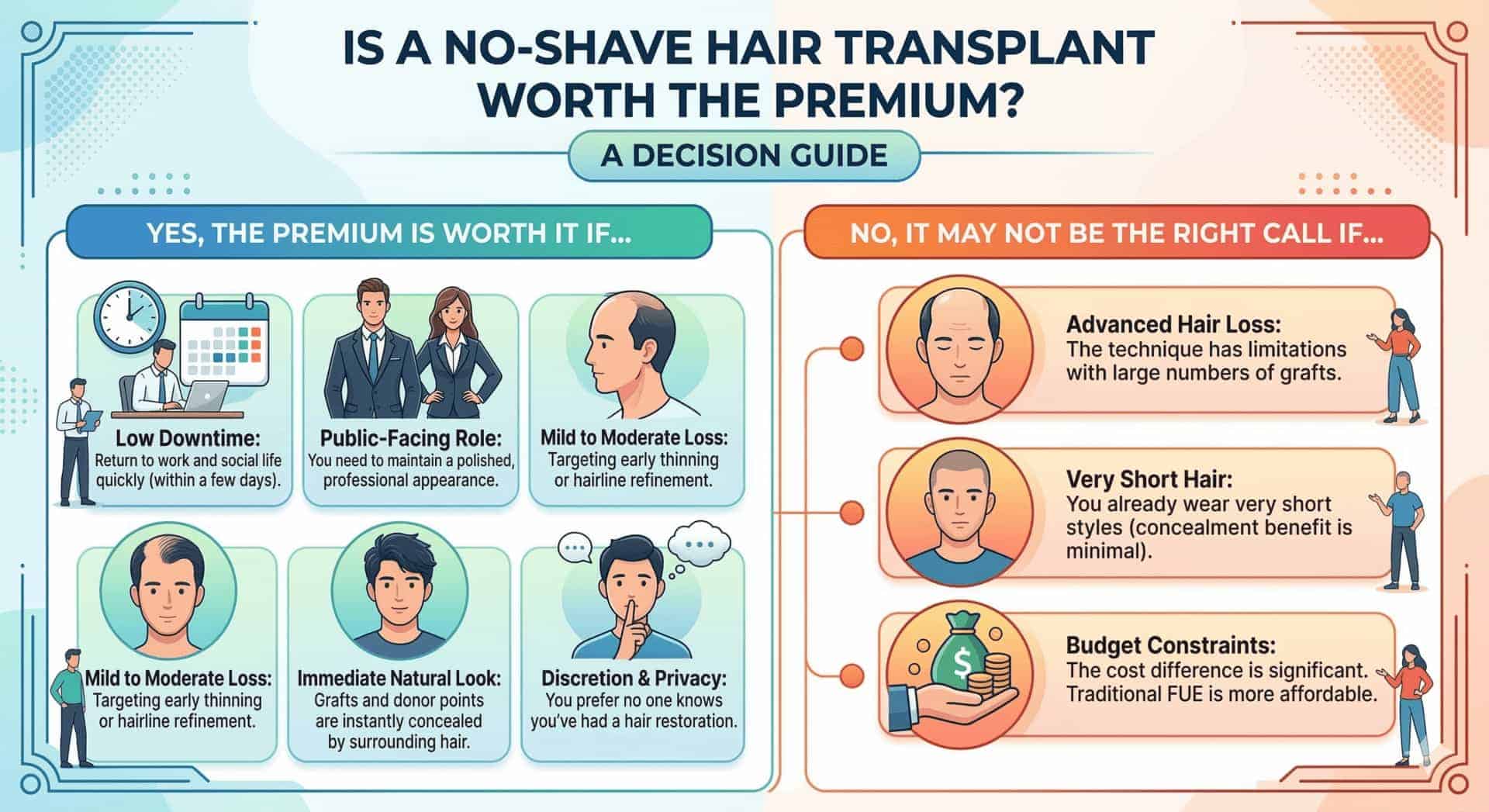
The premium is worth it if:
- You cannot take extended downtime. Most patients who choose no-shave FUE at Dr. Top Hair Hospital return to work and their normal social routine within 24 hours. There is no shaved head to explain, no visible scalp to conceal, and very little to signal to others that anything has changed.
- Your profession requires a consistently maintained appearance. I have treated executives, doctors, educators, media professionals, and business owners who could not afford the visibility of a traditional recovery. For them, no-shave FUE was not a luxury; it was a practical necessity that made the procedure possible within their lives.
- You have mild to moderate hair loss. When the restoration scope is focused on hairline refinement, early thinning, or targeted density work, no-shave FUE is an excellent clinical fit. It delivers precise, natural-looking results without disrupting your appearance at any stage of the process.
- Privacy is genuinely important to you. Some patients have not told their family. Some are going through a difficult personal period and do not want additional attention directed at them. I understand that completely, and no-shave FUE makes that level of privacy achievable without compromising the outcome.
The premium is not the right call if:
- Your hair loss is advanced. When a high graft count is required to adequately restore density, the technique’s natural per-session limitations become a real clinical consideration. For patients at higher Norwood scale stages, standard shave FUE is typically the more effective and practical choice, and I will say so directly during a consultation.
- Your hair is already very short. The concealment benefit of no-shave FUE depends on having sufficient existing hair length to cover treated areas. If you already wear your hair very short, that advantage largely disappears.
- Budget is a meaningful constraint. Standard shave FUE still delivers excellent, lasting results with approximately 90% graft survival and the same long-term outcomes. The recovery is more visible, but the final result is clinically comparable. If the 20 to 30% premium creates real financial strain, the traditional approach is a sound and effective alternative.
My honest assessment: no-shave FUE does not produce a better clinical result than standard FUE. Both procedures, performed well, achieve the same goal. What the premium buys is the experience surrounding the procedure, the discretion, the faster return to normal life, and the ability to walk out of the clinic looking largely the same as when you walked in. For the right patient, that is absolutely worth it.
Who Makes an Ideal Candidate?
In my experience, the best candidates for no-shave FUE share a few consistent characteristics:
- Mild to moderate hair loss — The technique performs best when the restoration scope is manageable within the method’s natural graft limitations per session.
- Sufficient hair length — Medium to long hair in the donor area provides the coverage needed to keep the selective trimming effectively hidden throughout the procedure and recovery.
- Healthy donor density — Strong, viable hair follicles in the donor area are essential for any FUE procedure, and particularly important here where the surgeon works carefully around untrimmed strands.
- An active professional or social life — Patients who need to return to their routine quickly, or who simply cannot afford visible downtime, are natural candidates for this approach.
- A genuine preference for privacy — Patients who want to restore their hair without making the process publicly visible will find no-shave FUE to be the most practical solution available.
I want to be direct about something. Candidacy for no-shave FUE is something I assess carefully on an individual basis. Donor density, hair texture, scalp laxity, and the number of grafts required all interact in ways that can only be properly evaluated in person. I have seen patients who appeared ideal on paper who were better served by standard shave FUE, and the reverse. A proper in-person consultation is not a formality; it is the only way to give you an honest and accurate recommendation.
Real Patient Perspectives
The reason I take the emotional side of this conversation seriously is that patients consistently show me what is actually at stake for them. One patient from the UK, a professional in his late 30s, said something during his consultation that has stayed with me: “I can handle losing my hair. What I cannot handle is everyone at work knowing I did something about it.” That is not vanity. That is a reasonable concern about how a personal medical decision intersects with a professional identity, and it deserves a real solution.
We have treated patients from over 11 countries, including Australia, Germany, New Zealand, India, and Kenya, many of whom chose no-shave FUE specifically because they were travelling internationally and needed to return home without any visible sign of a procedure. For those patients, the recovery experience was equally important as the clinical result. The vast majority were back to full normal activity within 24 hours.
Across all of our procedures, our complication rate is approximately 2% or less and our failure rate is approximately 5% or less. Patient-reported pain during the procedure averages around 2 out of 10. I share these numbers not to impress, but because patients deserve to walk into a procedure with realistic expectations. Honest numbers are the foundation of a good outcome and a trustworthy relationship between surgeon and patient.
What to Expect After the Procedure
Recovery from no-shave FUE is notably more discreet than traditional shave FUE, and that discretion begins the moment you leave the clinic.
Here is what the realistic timeline looks like:
- First 24 to 48 hours — Mild swelling and redness around the donor and recipient area is normal. Most patients can gently wash their hair within the first day or two by following the aftercare instructions provided. Because existing hair naturally covers both areas, the procedure stays well concealed almost immediately.
- Week one — Scabbing begins to resolve and sensitivity fades. The transplanted hair remains in place as follicles settle into the scalp.
- Weeks two through four — A shedding phase typically begins. This is completely normal. The follicles are entering a resting phase before new growth begins, and it is not a sign that anything has gone wrong.
- Month four — Approximately 40 to 50% of visible results are typically evident at this stage. New hair is emerging and starting to thicken.
- Month six — Around 50% of the final result is visible, with the hairline beginning to take its permanent shape.
- Month nine — Significant growth is visible. Most patients feel genuinely confident about their results by this point.
- Month twelve — Approximately 80 to 90% of the final result is established. Hair texture and density continue to refine.
- Twelve to twenty-four months — Full final results settle in. Hair density, direction, and natural appearance are at their peak.
Conclusion
Hair loss is personal. The decision to do something about it is personal too, and for many patients, how that process looks to the outside world matters just as much as the result itself. I understand that completely. Whether it is a concern about what colleagues might think, a preference to keep the journey private, or simply not wanting the visible recovery of a traditional shave to define the weeks after your procedure, those are real, valid concerns that deserve a real solution.
No-shave FUE exists because those concerns matter clinically, not just cosmetically. Hair restoration has always been about more than follicles and grafts. It is about confidence, identity, and being able to make a change on your own terms without the process announcing itself to everyone around you. That is what the premium is really paying for: control over your own narrative.
If you have been wondering whether no-shave FUE is the right fit for your situation, the clearest way to find out is to start with a short personalized assessment. It takes about two minutes, there is no obligation, and it gives you an honest picture of where you stand before committing to anything.
The best outcomes always come from matching the right technique to the right person. That process starts here.
Wondering if you’re a good candidate? Take our free 2-minute assessment to find out — no obligation, and your details stay completely private.
Reviewed by Dr. Top, ABHRS-certified.
Whenever you are ready, we are here.