
For people with extensive or advanced hair loss, researching a hair transplant often brings up a different set of questions than it does for someone with earlier-stage thinning. The available donor hair, the extent of coverage that may be realistic, and what a good outcome would actually look like all become more individual and more important to think through carefully.
This guide helps you prepare priorities and questions before a consultation. Donor hair is limited, so a useful plan should explain both the coverage being proposed and what may remain untreated.
Why Advanced Hair Loss Involves a Different Kind of Planning
With early or moderate thinning, there is often more donor hair available relative to the area needing coverage, which can make planning somewhat more straightforward. With more extensive or advanced hair loss, the balance between available donor hair and the area a person may wish to cover becomes a more central part of the conversation, and generally requires more careful, individualized planning by a qualified professional.
This does not mean a hair transplant is automatically unsuitable for advanced hair loss. It means that the specific plan, including which areas might be prioritized and what realistic coverage may look like, tends to depend much more heavily on individual factors that only a professional assessment can evaluate.
Free Assessment
Not Sure How Many Grafts You Need?
Get a personalized treatment plan from Dr. Top's team. Takes 2 minutes to complete — no cost, no obligation.
Setting Personal Priorities Before You Consult
Before speaking with a professional, it can help to think through what matters most to you personally, since advanced hair loss often means that not every area of the scalp can necessarily be addressed to the same degree.
Some questions worth considering:
- If it turns out that not all areas can be treated equally, which area matters most to you: the hairline, the crown, overall density, or general framing of the face?
- Are you looking for a change that is noticeable to yourself personally, or one that is noticeable to others, and how might that affect what you consider a good outcome?
- How do you feel about the possibility of a staged approach, potentially involving more than one procedure over time, versus wanting a single, one-time treatment?
- Would you be comfortable with a plan that prioritizes certain areas now, with the possibility of reassessing other areas later, based on donor availability?
There are no right or wrong answers here. The goal is to walk into a consultation with a clearer sense of your own priorities, so the conversation can focus on your specific goals rather than starting from scratch.
Understanding Why Expectations Need Individual Grounding
It is common to see appealing before-and-after examples online, but it is important to understand that these represent individual cases with their own specific donor availability, hair characteristics, and treatment plans, not a general promise of what is achievable for every person with advanced hair loss.
For advanced or extensive hair loss specifically, a realistic outcome is best understood only after an individual assessment considers factors such as the amount and quality of donor hair available, scalp characteristics, the extent and pattern of hair loss, and personal goals.
Setting realistic goals does not mean lowering your expectations unnecessarily. It means approaching the decision with an accurate understanding of what is being evaluated and why an individual consultation, rather than general research alone, is the only reliable way to know what might be possible for your specific situation.
Managing the Emotional Side of Advanced Hair Loss Decisions
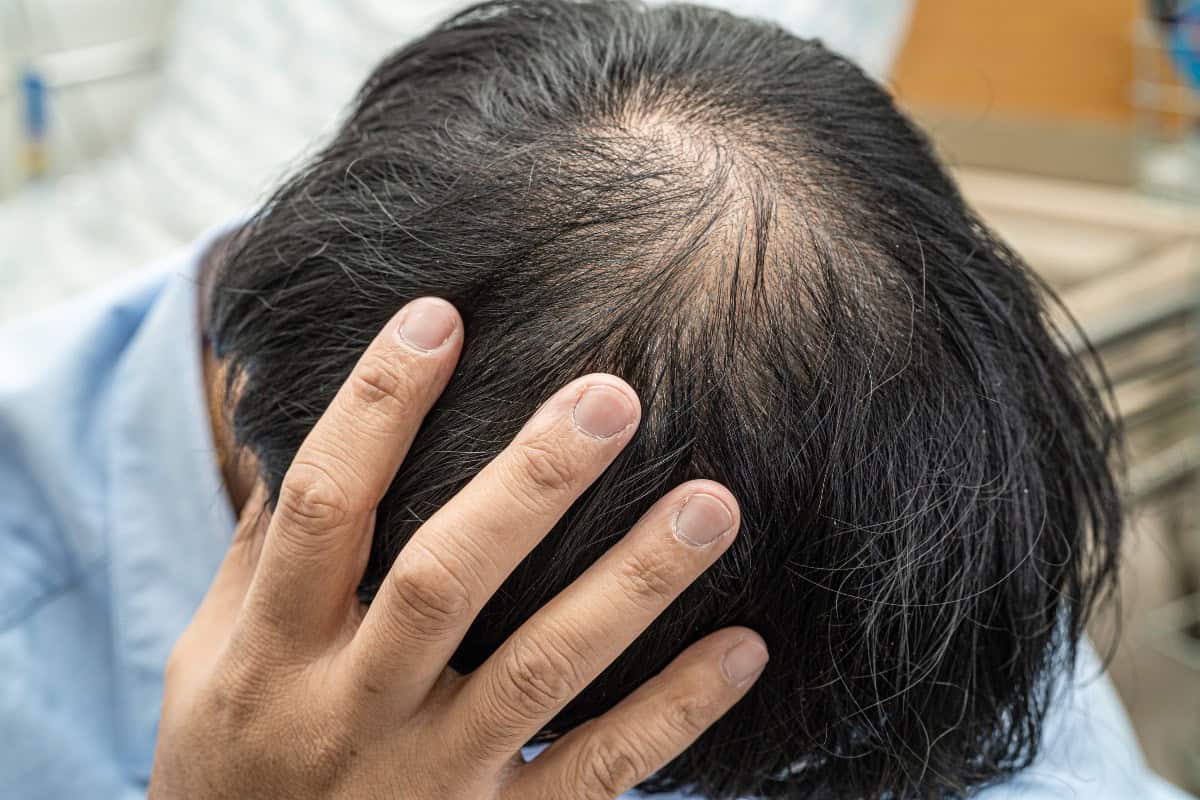
Extensive hair loss can carry a different emotional weight than earlier thinning, sometimes involving a longer period of adjustment, more complicated feelings about timing, or a sense of wanting a dramatic change balanced against realistic possibilities. It is reasonable to feel a mix of hope and uncertainty when researching options at this stage, and there is no need to resolve every feeling before seeking information.
Some people find it helpful to separate two different processes: the emotional work of coming to terms with hair loss, which unfolds on its own timeline, and the practical work of gathering accurate information about options, which can happen at whatever pace feels manageable. You do not need to have fully processed how you feel about your hair loss before scheduling a consultation, and a consultation does not require you to have already decided on treatment.
Questions to Bring to a Consultation
Preparing a short list of questions can help you get the most out of an individual assessment, particularly for more advanced or extensive cases:
- Based on my specific situation, what areas might realistically be prioritized, and why?
- What role does my available donor hair play in the overall plan?
- Is a staged or multi-part approach something that might apply to my situation, and if so, what would that generally involve?
- What would you consider a realistic, honest goal for someone in my specific situation, rather than a general best-case scenario?
- What ongoing factors, such as continued hair loss in other areas, should I be thinking about as part of this decision?
Bringing specific questions like these tends to lead to a more useful, individualized conversation than general questions about whether a hair transplant “works” for advanced hair loss in general.
What to Bring and What to Ask For
Bring a short hair-loss timeline, details of previous treatments or procedures, your current medications, and your priorities for coverage. If the clinic requests photographs, follow its instructions. Ask the clinician to explain the plan in writing, including:
- The donor assessment and the limits on how much hair can be safely harvested.
- Which areas would be prioritised and which may remain thin or untreated.
- The graft estimate, what it is based on, and what could change after further examination.
- Alternatives to surgery, the risks of treatment, and reasons to wait or avoid an operation.
- Any proposed stages, likely follow-up needs, and how continued hair loss would affect the plan.
- What the quote includes, what it excludes, and who to contact during recovery.
Before-and-after photographs can support the conversation, but do not predict your own result. Ask for relevant case context and compare the proposed plan with your available donor supply rather than expecting another person’s coverage.
Conclusion
Advanced hair loss calls for a plan that balances donor supply, coverage goals and future needs. Start the free online hair assessment to share your priorities with Dr. Top’s team. A clinician will need to assess your scalp and donor area before recommending treatment.
Further Reading
For a general overview of surgical assessment and options, see the ISHRS patient guide to hair transplant surgery.