
One of the questions I hear most often from patients considering hair restoration abroad is: “Is it really worth traveling all the way to Thailand when Turkey seems so much cheaper?” It is a completely fair question, and I want to answer it honestly. Whether you are weighing cost, safety, or the overall medical tourism experience, here is what I have learned after 20 years in this field and over 10,000 procedures performed.
Key Takeaways:
- Both Thailand and Turkey are recognized destinations for hair transplant medical tourism, but they differ significantly in clinical standards, safety oversight, and the quality of personalized care.
- Thailand offers internationally certified clinics, ABHRS-certified surgeons, and a recovery environment that combines world-class medical care with a genuinely enriching travel experience.
- Hair transplant results in Thailand are increasingly competitive globally, with leading clinics achieving approximately 90% graft survival rates using advanced FUE techniques.
Why Hair Transplant Medical Tourism Is Growing
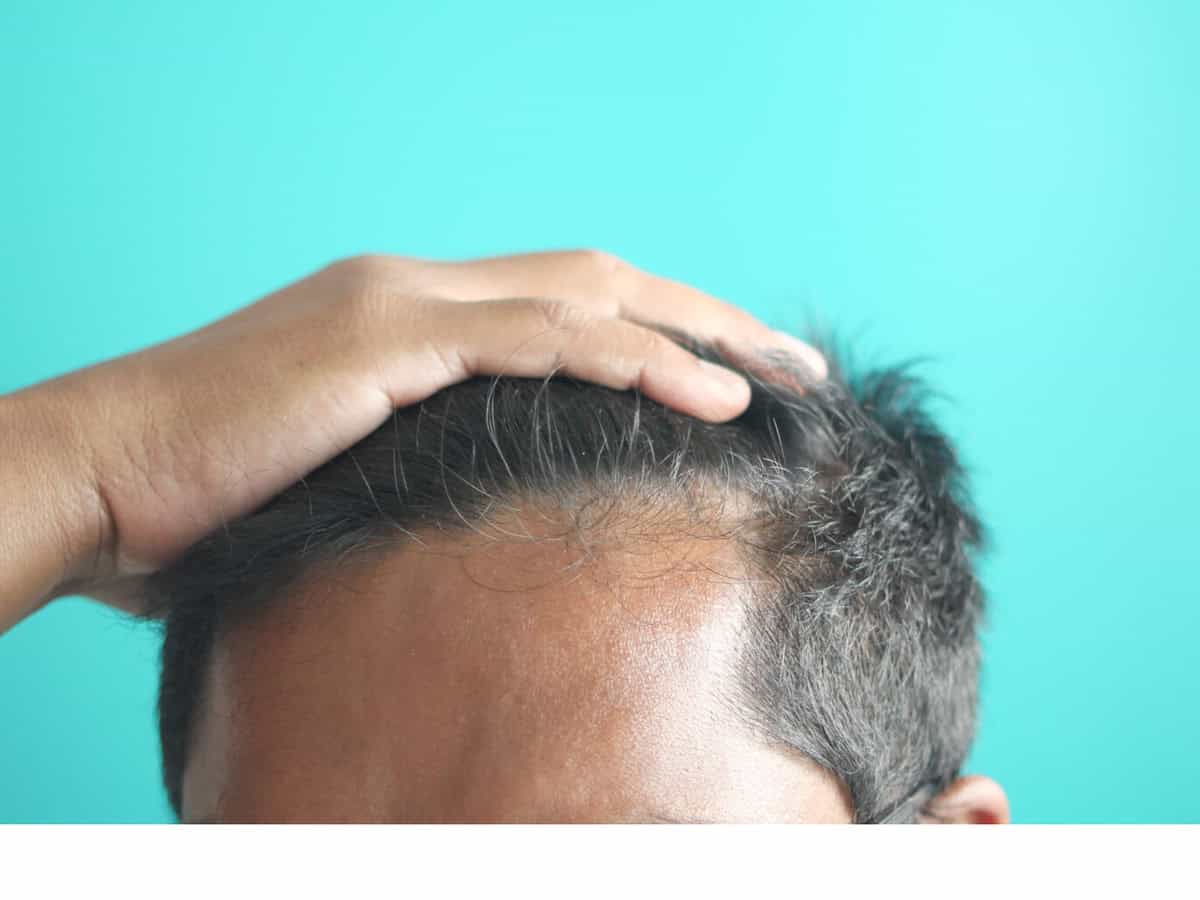
Hair loss affects millions of people worldwide, and with local hair transplant prices running high in Western countries, more patients are looking abroad for quality care at a more accessible cost. The decision to seek treatment overseas is rarely just about saving money. Most patients I speak with are carrying real anxiety about the outcome, the safety of the process, and whether the results will actually last.
Turkey and Thailand have both emerged as leading countries for hair transplants, each attracting thousands of international patients every year. Turkey built its reputation early through aggressive marketing and competitively priced packages. Thailand, by contrast, has grown its standing through clinical precision, strict safety standards, and a genuine commitment to patient outcomes. At Dr. Top Hair Hospital, we have treated patients from over 11 countries, including the UK, Germany, Australia, New Zealand, Italy, France, Spain, India, Kenya, and Canada, and across the full age range from 19 to 80. That breadth of experience shapes everything about how we approach each case.
Free Assessment
Not Sure How Many Grafts You Need?
Get a personalized treatment plan from Dr. Top's team. Takes 2 minutes to complete — no cost, no obligation.
The conversation in medical tourism is shifting. It is no longer just “where is it cheapest?” but “where will I get the best results and the safest experience?” That is the right question to be asking.
Thailand vs Turkey as a Destination for Hair Transplant
When it comes to choosing a destination for hair transplant surgery, both countries bring real strengths to the table, and I think it is important to be upfront about that.
Turkey has long been positioned as the go-to option for budget-conscious patients. Istanbul, in particular, has a high concentration of hair transplant clinics, and the country has built a well-known brand around affordable, all-inclusive hair transplant packages. For many years it was seen as the leading destination for hair transplantation in the Western world, and that reputation was earned.
Thailand, while perhaps less aggressively marketed in this niche, delivers a different kind of value. Thai clinics are recognized for their attention to detail, personalized care, and strict adherence to international medical standards. Thailand is often chosen by patients from across Asia, Australia, and the Middle East who are seeking quality-first care in a welcoming environment.
The core question comes down to what you prioritize most: volume-based pricing or quality-centered care. In my experience, patients who choose based on quality tend to have fewer concerns at the 12-month mark.
Hair Transplant Cost in Thailand vs Turkey
Cost is one of the biggest factors driving hair transplant tourism, and I want to address it honestly rather than simply telling you Thailand is the better deal.
| Factor | Thailand | Turkey |
|---|---|---|
| Pricing Structure | Competitive; varies by clinic and grafts | Often lower baseline; varies widely |
| Package Inclusions | Typically includes pre and post-op care | Often all-inclusive (hotel, transfers) |
| Pricing Transparency | Generally clear and upfront | Can vary depending on the clinic |
| Follow-up Care | Strong aftercare culture | Varies by provider |
Costs in Thailand vs Turkey are closer than most people expect once you factor in the full picture. Turkey may offer a lower headline price in some cases, but what that price covers matters enormously. At Dr. Top Hair Hospital, our packages are structured to include everything a medical tourism patient actually needs: pre-operative assessment, the procedure itself, prescribed medications, and a clearly defined follow-up schedule. Patients who calculate the true cost of a hair transplant, including any corrective work that might be needed later, consistently find that the cost in Thailand holds up well under scrutiny.
Hair Transplant Techniques Used in Thailand vs Turkey
Both countries perform the leading hair transplant techniques, including Follicular Unit Extraction (FUE) and Follicular Unit Transplantation (FUT). Direct Hair Implantation (DHI) is also offered across reputable clinics in both destinations.
At Dr. Top Hair Hospital, our FUE procedures achieve approximately 90% graft survival rates, supported by an ATP graft preservation solution that maintains over 95% cell viability. We can perform up to 5,000 grafts in a single Long Hair FUE session, with standard density running at 40 to 50 grafts per cm² and high-density options reaching 60 to 70 grafts per cm². One discipline I am particularly strict about is the critical implant window: grafts must be implanted within 6 hours of extraction. That standard is non-negotiable in our practice, because it directly affects survival rates and final results.
In Turkey, the sheer volume of clinics means technique quality varies considerably. Some clinics in Turkey are genuinely excellent. However, the International Society of Hair Restoration Surgery has publicly warned patients that in some overseas facilities, technicians rather than qualified surgeons carry out significant portions of the procedure, a practice that is both illegal and dangerous. This is not universal across Turkey, but it is an important point of due diligence when choosing a provider there.
The ISHRS sets global benchmarks for hair transplantation standards, and I always encourage patients to check whether any clinic they are considering aligns with those guidelines.
Hair Transplant Safety in Thailand vs Turkey
I will be direct here, because safety is the one area where patients should never feel they are getting a vague or diplomatic answer.
Safety in Thailand vs Turkey
Thailand has a well-established medical tourism infrastructure with solid regulatory oversight. Clinics catering to international patients are generally required to meet rigorous standards, and many hold globally recognized certifications. Patient safety protocols, hygiene practices, and infection control are taken seriously at reputable Thai clinics, and that culture of accountability flows through the entire patient experience.
At Dr. Top Hair Hospital, our complication rate sits at approximately 2% or less, and our failure rate is approximately 5% or less. Most patients report a pain rating of around 2 out of 10 throughout the procedure. I share these figures because patients traveling internationally for surgery deserve honest data, not reassuring generalities.
Hair transplant safety in Turkey depends significantly on the specific clinic. Turkey’s rapid growth in hair transplant tourism has created a crowded and uneven market, and not all providers maintain the same standards of care. Reputable clinics in Turkey do operate safely and professionally, but thorough research is essential regardless of which country you choose.
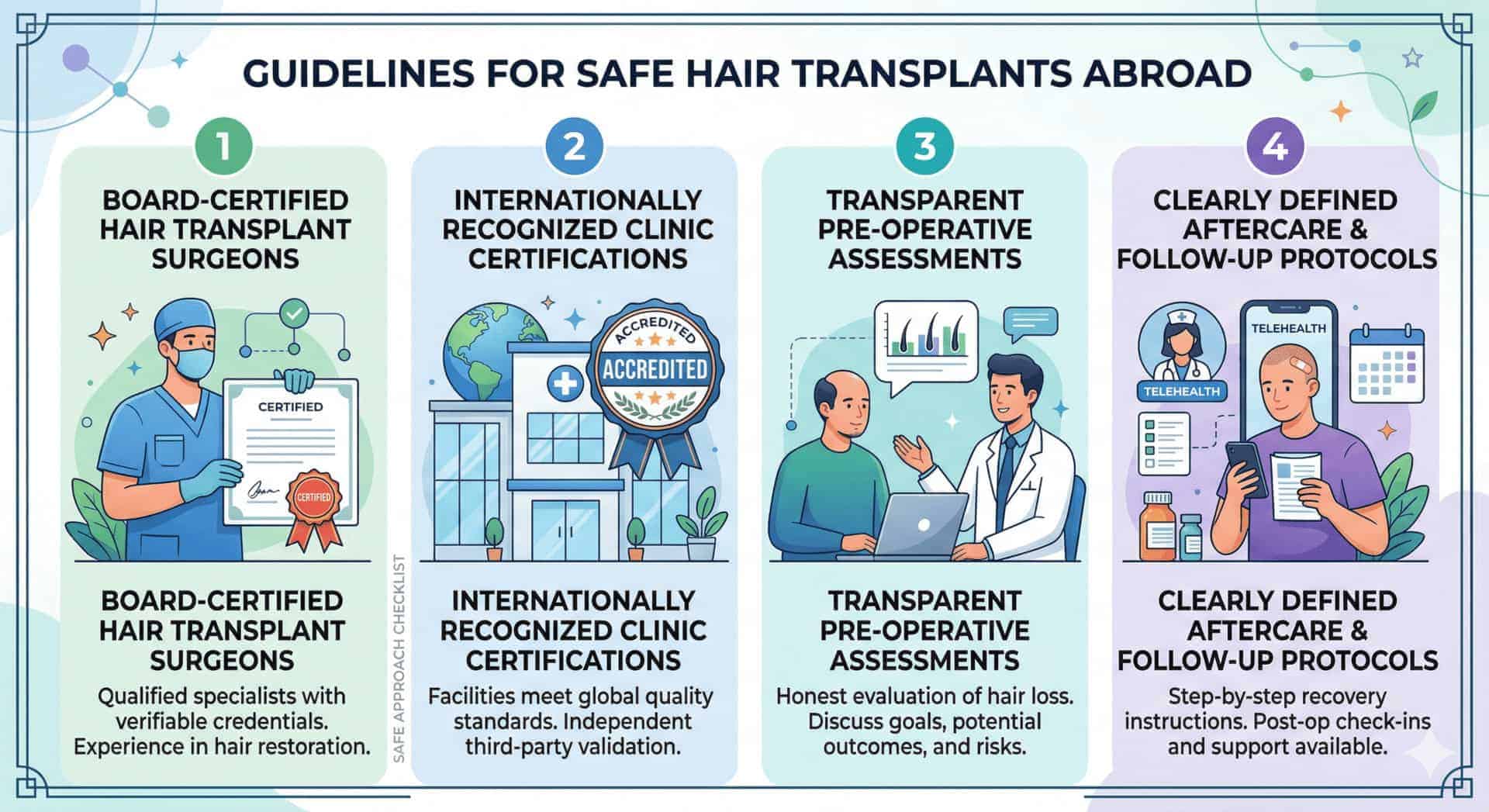
For anyone considering a hair transplant abroad, the safest approach involves looking for:
- Hair transplant surgeons with verifiable, internationally recognized credentials
- Clinic certifications from bodies such as Joint Commission International
- Transparent pre-operative assessments tailored to your specific hair type and loss pattern
- A clearly defined aftercare and follow-up protocol before you commit to anything
Tourism in Thailand vs Turkey for Hair Transplant Patients
Patients often ask me what they should do in Bangkok during their recovery, and honestly, it is one of my favorite conversations to have, because the answer is far better than most people expect.
Thailand is one of the world’s most welcoming travel destinations, and Bangkok in particular offers a recovery environment that is genuinely hard to match. I typically suggest patients stay in the Silom or Sathorn area, which puts them within easy reach of our clinic for any follow-up needs while giving them access to riverside dining, the BTS Skytrain, and some of the city’s best international cuisine. For those who want a quieter recovery, a short trip to Chiang Mai or a few days on the coast in Phuket fits naturally into the post-procedure window and gives the recovery process a much more restorative feel.
Turkey, particularly Istanbul, is also a compelling travel destination with deep history, remarkable architecture, and vibrant food culture. Tourism in Turkey for hair transplant patients is well-supported, with many clinics offering transfer packages and accommodation tie-ins.
The practical difference for many of our international patients comes down to proximity and logistics. For those traveling from Australia, Southeast Asia, India, and parts of the Middle East, travel to Thailand is often more accessible, more affordable to reach, and far easier on the body in terms of time zone adjustment, which actually matters during early recovery.
Medical Expertise in Thailand vs Turkey
The qualifications of the surgeon who performs your procedure matter more than any other single factor in this decision, and I think transparency here is essential.
Surgeons in Thailand vs Turkey
I am a Diplomate of the American Board of Hair Restoration Surgery (ABHRS). ABHRS certification is recognized by the ISHRS as one of the highest standards in the field, and achieving it requires documented surgical experience, rigorous examination, and ongoing professional development. Our team at Dr. Top Hair Hospital comprises approximately 20 medical professionals across 7 Bangkok locations, with continuous training conducted in both Europe and Asia.
In 2024, I received the HOFS Award, and I have been selected as an invited speaker at the IMCAS World Congress 2026 in Paris. Our clinical work was also recognized as a top-3 finalist at the AMWC Monaco congress, chosen from over 1,000 submissions across 60 countries and 10,000 attendees. I mention this not to impress, but because patients who travel internationally for surgery deserve to know exactly who is performing their procedure and what their credentials actually mean in a global context.
In Turkey, there are genuinely skilled practitioners with strong track records. However, the high-volume nature of the market there means the surgeon-to-patient ratio at some clinics can be a concern. Whether you are looking at clinics in Thailand or clinics in Turkey, always ask who specifically performs your procedure, what their verifiable qualifications are, and how many procedures they have personally completed.
Hair Transplant Results in Thailand vs Turkey
Transplant Results in Thailand vs Turkey
High hair transplant success rates depend on several interconnected factors: the number of grafts transplanted, the technique used, the skill of the surgeon, the patient’s hair type, and the quality of aftercare. Neither Thailand nor Turkey has a monopoly on good results, and I would not be honest if I suggested otherwise.
What I can speak to directly is what patients treated at Dr. Top Hair Hospital typically experience. Here is the growth timeline we consistently see:
- 4 months post-transplant: approximately 40 to 50% of visible results
- 6 months: approximately 50% visible results
- 9 months: significant growth visible across the treated area
- 12 months: 80 to 90% of the final result
- 12 to 24 months: full final results
I always tell my patients that hair restoration is a journey, not an overnight transformation. Many of our international patients, including those from Australia and the UK who came specifically for hair transplant medical tourism, have shared at their 12-month follow-ups that the result changed not just how they looked but how they felt walking into a room. That emotional dimension is what this work is really about, and it is worth keeping in mind when you are comparing numbers on a comparison chart.
What Thailand Offers Hair Transplant Medical Tourists
If you are seriously considering hair transplant medical tourism, Thailand brings together a combination of qualities that goes well beyond price.
- Clinical quality backed by international standards: Clinics in Thailand serving international hair transplant patients are held to rigorous standards, with many carrying globally recognized certifications.
- ABHRS-certified surgical expertise: Dr. Top Hair Hospital is led by a Diplomate of the American Board of Hair Restoration Surgery (ABHRS).
- Personalized, patient-first care: Thailand’s healthcare culture emphasizes individual attention, and that shows directly in hair transplant results and patient-reported satisfaction.
- Practical Bangkok-based recovery: Our patients have our team available for follow-up visits throughout their stay, with world-class hospitality, easy transport links, and a city that makes recovery feel like something to look forward to.
- Strong regulatory framework: Hair transplant safety in Thailand is underpinned by real oversight, not just marketing language.
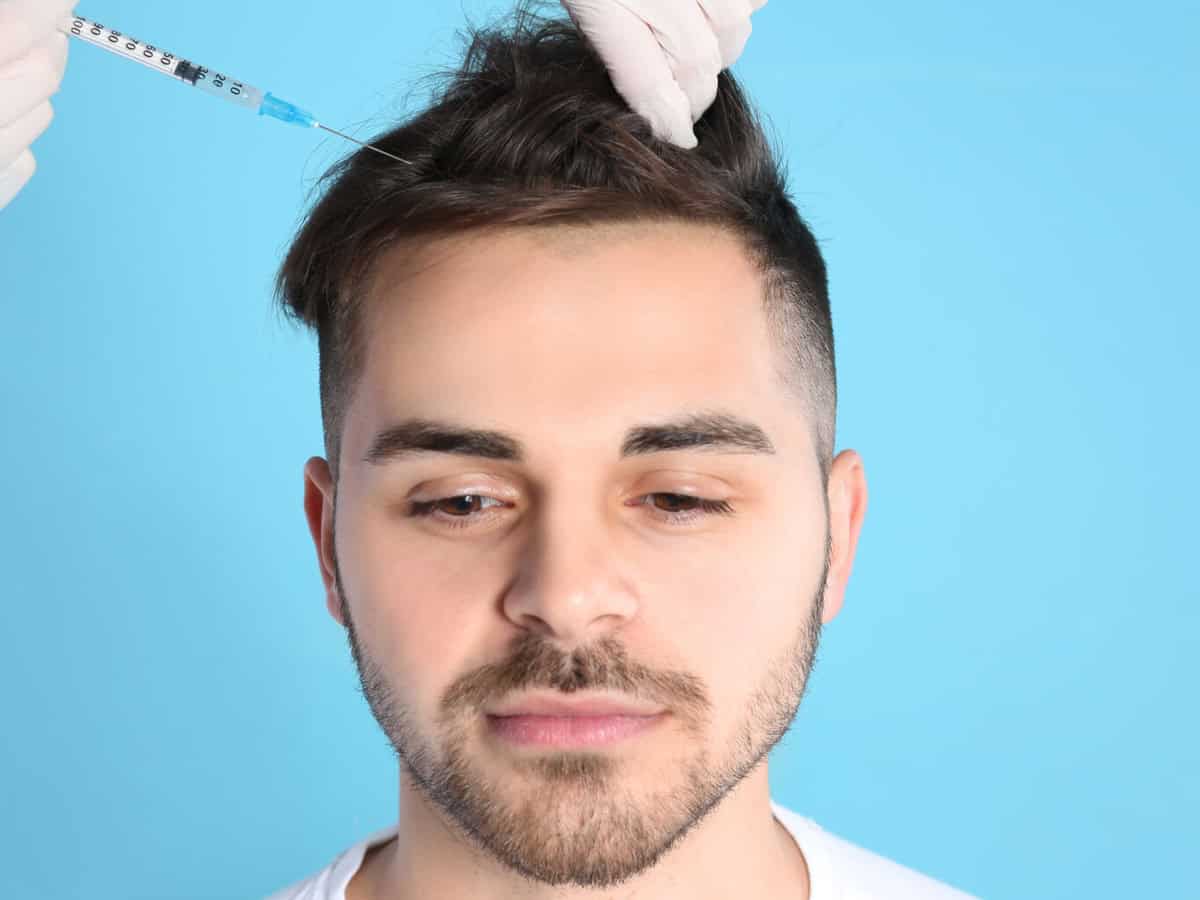
Thailand has fewer mega-volume hair transplant facilities and more focused, relationship-centered care. After treating patients from over 11 countries and performing over 10,000 procedures, I genuinely believe that distinction matters when you are trusting someone with a surgical outcome you will live with permanently.
Conclusion
Choosing where to pursue hair transplant medical tourism is one of the most consequential parts of the entire process. Both Thailand and Turkey have genuine strengths, and the best outcomes consistently come from clinics that combine real surgical expertise, rigorous safety standards, and a focus on each patient’s individual case. Taking the time to ask the right questions and choosing based on quality rather than price alone will always serve you better in the long run.
At Dr. Top Hair Hospital, we are happy to walk you through your options without pressure and without the hard sell. Choosing where to have your procedure is one of the most important decisions in your hair restoration journey. The best place to start is not a sales call. It is a short, honest assessment of your situation, your goals, and whether our approach is genuinely the right match for you.
It takes about two minutes, there is no obligation, and it gives you a clear picture of where you stand before you commit to anything or book a single flight.
Wondering if you’re a good candidate? Take our free 2-minute assessment to find out — no obligation, and your details stay completely private.
Reviewed by Dr. Top, Diplomate of the American Board of Hair Restoration Surgery (ABHRS). HOFS Awards 2024 recipient. Invited speaker, IMCAS World Congress 2026, Paris. Over 10,000 procedures performed across more than 20 years, with patients from over 11 countries, including the UK, Germany, Australia, Canada, France, and across Asia.