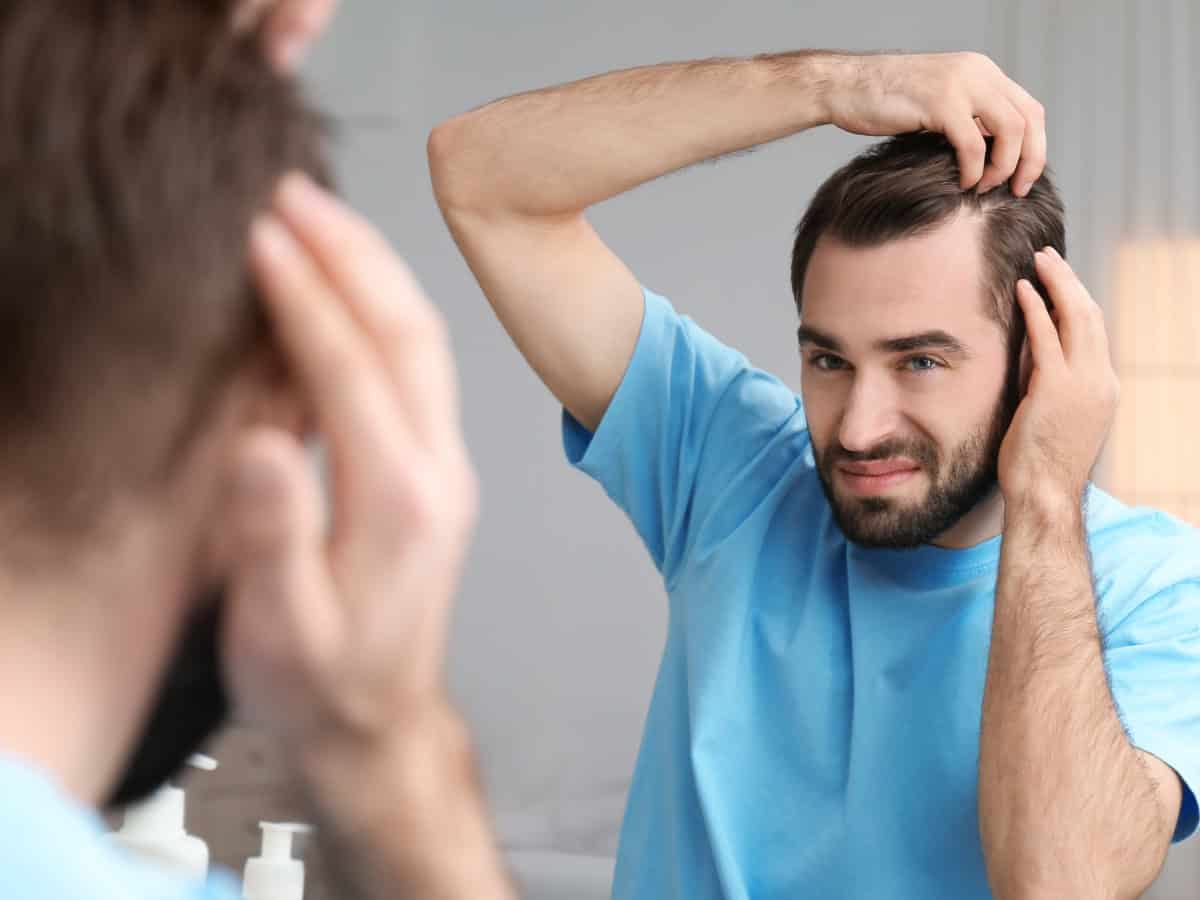

Scars from a previous surgery, an injury, or an earlier hair transplant can be a source of ongoing self-consciousness, especially when they sit in an area that’s otherwise visible. Anyone exploring hair restoration around a scar in Bangkok deserves a clear, honest explanation of what a consultation actually involves before booking. This guide walks through what gets discussed, why individual assessment matters so much in this particular area, and the planning questions worth raising before any decision is made.
Key takeaways:
- Restoring hair around a scar depends on an individual assessment of the scar itself, the surrounding scalp, and available donor hair, not a general assumption about how scars respond to treatment
- No clinician should promise scar camouflage, hair growth, or a specific cosmetic result before examining the area in person
- A personalised quote and plan depend on the scar’s characteristics and the complexity of the case, not a fixed price for “scar concealment” as a category
What May Be Discussed in a Scar-Area Hair-Restoration Consultation
A consultation focused on a scar begins with understanding the scar itself. How did it form, whether from a prior surgical procedure, an injury, or an earlier hair transplant that didn’t heal the way it was hoped? How long ago did it form, since scar tissue continues to change and mature for a period of time after the original event? The clinician will also want to understand the current condition of the skin and scalp around the scar, including texture, flexibility, and any signs of ongoing sensitivity.
Donor hair characteristics are assessed as well, since restoring hair around a scar depends on having adequate, healthy donor supply available. Relevant medical history is reviewed too, including anything that might affect healing or how tissue in the area responds to treatment. Personal goals are discussed in depth, including what specifically feels most important to address and what a realistic outcome might look like given the individual scar.
Free Assessment
Not Sure How Many Grafts You Need?
Get a personalized treatment plan from Dr. Top's team. Takes 2 minutes to complete — no cost, no obligation.
Why Assessment Matters So Much in This Area
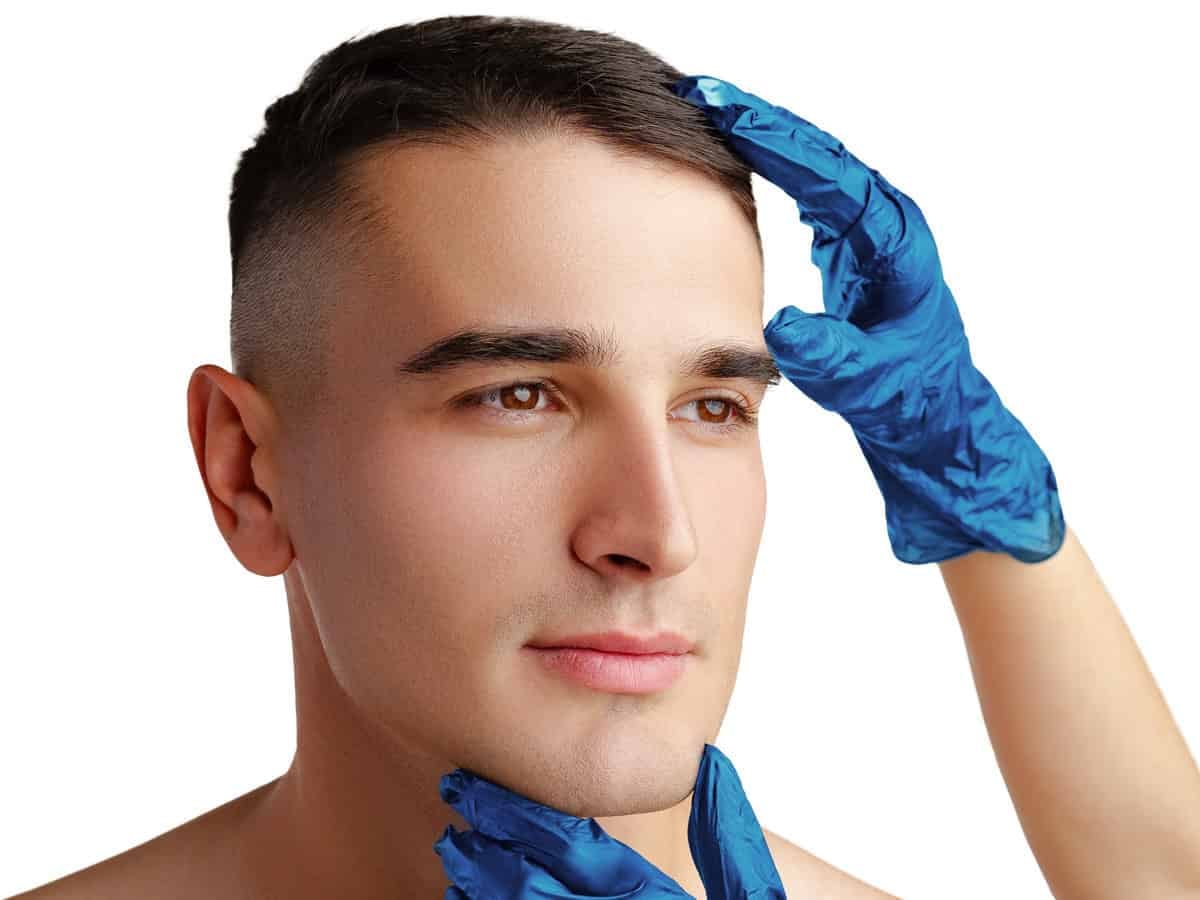
Scar tissue behaves differently from healthy scalp tissue in ways that aren’t always visible from a photo or a general description. Blood supply to scarred skin can be reduced compared to surrounding areas, which is part of why an in-person, hands-on assessment is essential rather than optional. A clinician needs to physically examine the scar’s texture, flexibility, and how it has settled over time to understand what’s actually realistic for that specific case.
This is also why no online article, including this one, can determine whether hair restoration is appropriate for a particular scar. Two scars that look similar in a photo can behave very differently once examined directly, depending on their depth, age, and how the surrounding tissue has healed. An honest consultation starts from that reality rather than glossing over it.
What May Affect Treatment Planning and a Quote
Planning around a scar involves several factors that don’t necessarily apply to general hair restoration. The size and location of the scar matter significantly, since a small, well-healed scar involves different considerations than a larger or more complex one. The condition of the surrounding tissue, including its texture and blood supply, plays a meaningful role in how a clinician approaches the treatment plan.
Donor area characteristics matter here too, just as they do in any hair restoration case, since the procedure depends on having enough quality hair available to work with. The complexity of the individual plan, including how the clinician chooses to approach the scarred area specifically, also shapes both the treatment and the quote. Aftercare and follow-up are part of a responsible plan as well, given that monitoring how scarred tissue responds after treatment is a meaningful part of the process. Because every scar is different, there is no public price range that could honestly apply to this category of treatment. An accurate quote can only come after a clinician has examined the area directly.
Questions to Ask Before Booking
Before committing to any clinic for scar-area hair restoration, a few questions are worth asking directly. What is the clinic’s actual experience with cases involving scar tissue specifically, as opposed to general hair restoration? Who will be performing the assessment and the procedure, and what is their role in scar-specific cases?
It’s also worth asking for a documented treatment plan in writing rather than a verbal description, along with a clear explanation of what a quote includes and excludes. Ask whether any example results shown during the consultation come from consenting patients, and whether they reflect a typical documented case or a single best-case outcome. Finally, ask directly what follow-up looks like, since scarred tissue may benefit from closer monitoring during recovery compared to other areas.
Responsible Review of Patient Evidence
If a clinic shares examples of previous scar-area cases, that evidence deserves careful review rather than being taken at face value. Worth confirming is whether the patient provided documented consent for their case to be shared, and whether enough context is given, such as a general timeline and relevant details about the original scar. No single case, however encouraging, should be presented or understood as a typical or guaranteed outcome, since results depend heavily on the specific characteristics of each scar and each patient’s individual healing response.
A responsible clinic will be transparent about these limitations and will never suggest that hair restoration guarantees full concealment of any scar, regardless of its size or location. [CLINICIAN REVIEW NEEDED: confirm whether DrTop has any documented, consented scar-area case examples available to reference, and under what conditions they can be shared publicly.]
About Dr. Top
Dr. Top is one of the few ABHRS board certified hair transplant surgeons in Southeast Asia, with 22 years of experience and more than 10,000 procedures performed. He was recognised for Best Hair Restoration at AMWC 2025 in Monaco, and he developed the Combination Technique, which pairs hair transplantation with ALMI Nano Fat therapy to support graft survival and healing in appropriate cases. Dr. Top Hair Hospital currently operates as a specialist clinic, with a dedicated hospital facility set to open in early 2027.
Conclusion
Every scar is different, and understanding what’s realistic starts with a direct, in-person assessment rather than a general article. Request a personalised assessment with Dr. Top to talk through the scar’s history, the surrounding scalp condition, and what a realistic, individually planned approach could look like.