

If you’ve got a wedding or a big event coming up and you’re thinking about a hair transplant beforehand, I understand the instinct. You want to feel confident in every photo. But timing this well takes more thought than picking a date and counting backward. I put this together to help you ask the right questions before you book anything.
Key Takeaways
- Timing a hair transplant around a wedding or big event depends entirely on your individual plan, not a fixed number of months that works for everyone.
- Early recovery looks different from the final result, so it helps to separate scheduling, visibility, travel, and long term growth into their own questions.
- A good surgeon will talk through realistic timing with you rather than promising how you’ll look on a specific date.
Why “How Many Months Before?” Isn’t the Right Question
Search for advice on this topic and you’ll find a lot of confident sounding numbers. The truth is less tidy. Hair transplant recovery involves several distinct phases, and your event could fall anywhere along that timeline depending on what you’re hoping to see by then. A date that works beautifully for one person’s goals might be too soon, or unnecessarily early, for someone else’s.
Rather than asking for a single number, I think it helps to break the question into parts: when the procedure itself should happen, what the area will look like in the early weeks, when travel is realistic, and how results typically develop over the following months. Each of those has a different answer, and all of them matter for event planning.
Free Assessment
Not Sure How Many Grafts You Need?
Get a personalized treatment plan from Dr. Top's team. Takes 2 minutes to complete — no cost, no obligation.
What Actually Happens After a Hair Transplant
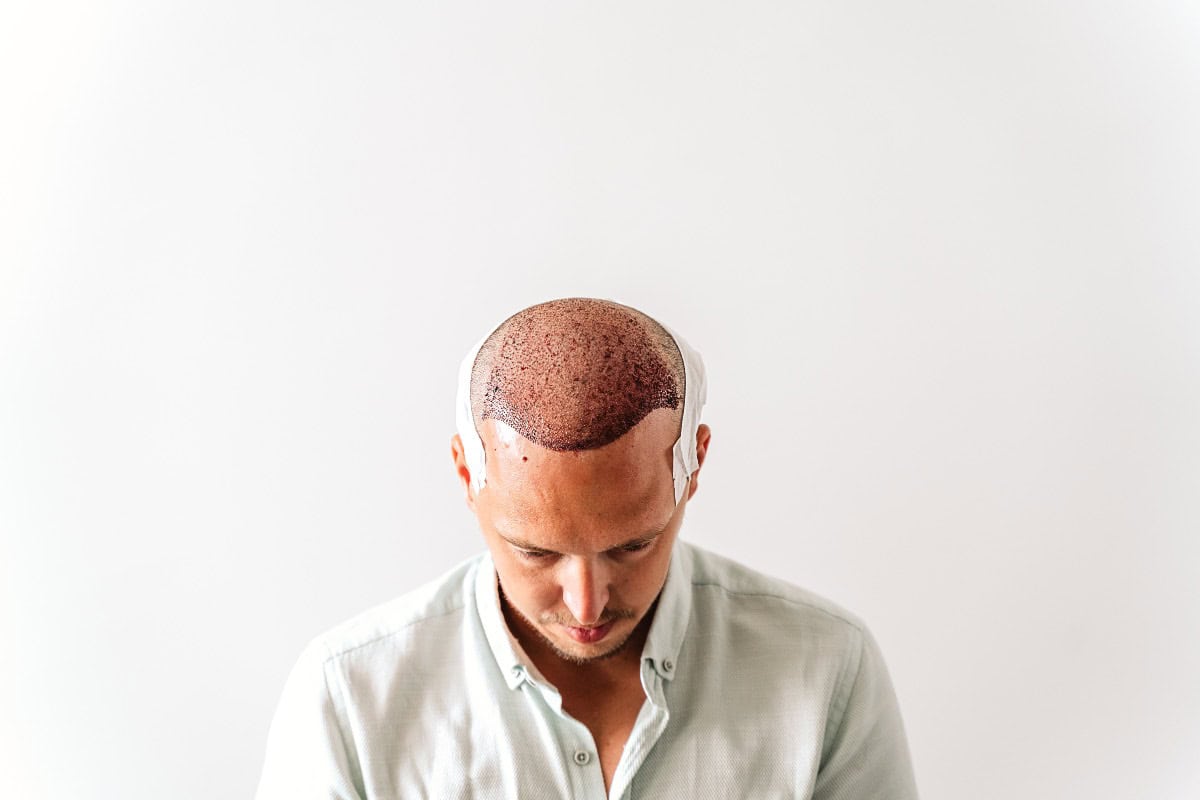
To plan sensibly, it helps to understand the general shape of recovery, in broad terms. Hair transplantation moves follicles from a donor area into areas of thinning or baldness. In the days right after surgery, the treated area typically shows some redness, small scabs, and swelling, which often improve over the following weeks; redness and other visible changes can last longer.
Transplanted hair commonly sheds in the weeks after surgery before new growth develops. This expected shedding is different from shock loss affecting surrounding native hair. Visible results take months and can continue developing over a year or longer; your surgeon should explain the likely stages and any concerns for your case.
Knowing this shape matters because it tells you that the weeks right after surgery are usually the least photogenic part of the whole process, even though the long term outcome may end up looking great.
Breaking the Planning Question Into Parts
Here’s how I’d think through it, piece by piece.
Scheduling: When does the procedure itself need to happen?
This depends on how far out your event is and what you’re hoping to see by then. A surgeon can help you work backward from your date once they understand your goals and your hair loss pattern.
Early recovery and visibility: What will the area look like right after?
If your event falls during the first few weeks after surgery, you should expect visible signs of the procedure, not a finished look. This is worth discussing honestly rather than hoping it won’t be noticeable.
Travel: When is it considered safe to travel or fly?
If your event involves travel, ask specifically about timing for flights and any activity restrictions during early healing.
Long term results: How does the look develop over time?
If your event is many months or a year out, you’re more likely to see meaningful growth by then, though individual timelines vary.
Treating these as four separate questions, rather than one big “when should I do this,” makes the whole planning process much clearer.
Questions I’d Raise With a Surgeon
Once you know your event date, bring it into the conversation directly and ask:
- Given my event date, what would you recommend in terms of timing, and why?
- What will the treated area likely look like in the weeks right after surgery?
- Is there a point where I should avoid scheduling the procedure too close to my event?
- What’s your general guidance on travel timing after the procedure?
- If I’m hoping to look a certain way by my event, is that realistic given my hair loss and goals?
A good surgeon will walk you through their reasoning rather than just naming a date. If a goal isn’t realistic given your timeline, I’d want to hear that directly rather than an overly optimistic yes.
Separating What the Clinician Answers From What Operations Answers
Not every question in this process belongs to the same person. Recovery, healing, and visibility questions are really clinical questions, best answered by the surgeon who understands your specific case. Scheduling availability, travel logistics, accommodation, and follow up arrangements are typically operational questions, handled by the clinic’s coordination team. It’s worth asking directly which part of your question you’re getting an answer to, especially when a date is tight and every detail counts.
A Note on Expectations
I want to be straightforward here. No clinic can guarantee exactly how your hair will look on a specific date. Growth rates and recovery timelines vary between people, and anyone who promises a precise result by a precise day is overselling what’s realistic. What a good clinic can do is give you an honest read on your specific situation and help you plan around it sensibly.
If your event is close, under two or three months away for example, it’s worth having a candid conversation about whether this is the right window for surgery at all, or whether a different approach might serve you better for that particular date. If your event is far out, a year or more, you likely have more flexibility to plan around a fuller recovery and growth timeline.
Travel Considerations Worth Raising Early
If your event involves travel, whether you’re flying in for the procedure or flying out afterward, bring this up as its own topic. Ask specifically:
- How many days should I plan to stay in the area after the procedure?
- When is it generally considered safe to fly?
- Are there activity restrictions that might affect travel plans, packing, or seating arrangements?
- What should I do if I have a concern while traveling after the procedure?
Getting these answers in writing ahead of time makes it much easier to build a travel plan around your recovery, rather than discovering a restriction at the last minute.
A Checklist Before You Book
Before committing to a date, I’d want to be able to say yes to each of these:
- I’ve shared my event date and asked for an honest view on timing
- I understand early recovery may look different from my event day expectations
- I’ve asked about travel and logistics specifically, separate from the procedure itself
- I haven’t been given a guaranteed appearance or growth timeline
- I feel like the surgeon’s reasoning made sense, not just their answer
If any of these feel shaky, that’s worth addressing before you book anything.
Conclusion
Planning around a wedding or a big event takes more than picking a date and hoping for the best. If you want a straightforward, honest read on what’s realistic for your timeline, I’d rather talk it through with you directly. Contact the clinic to arrange a consultation, bring your event date, and we’ll figure out what actually makes sense for your situation.
Further Reading
Read the American Academy of Dermatology guide to hair transplantation for an overview of shedding and the gradual development of results.