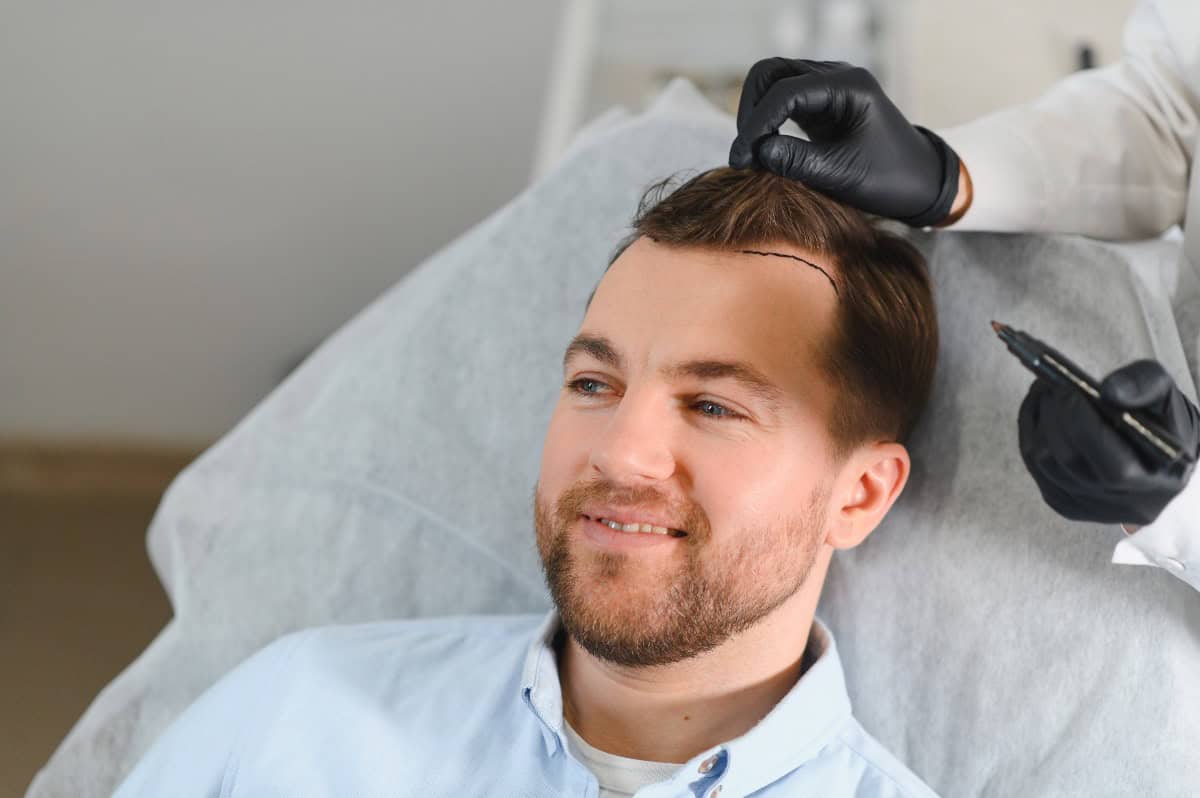
Preparing for a hair transplant consultation can help you make better use of the time and remember the questions that matter to you. A little bit of groundwork beforehand, from how you photograph your scalp to the questions you bring along, makes a real difference in how useful the conversation actually is. Here’s how to get ready, what to expect, and what happens once the consultation itself is done.
Key Takeaways
- Clear, well-lit photos can help an initial discussion, but they do not replace a clinical examination or establish suitability for surgery.
- A written list of questions helps you get real answers about candidacy, technique, and planning, rather than leaving with vague impressions.
- Knowing what typically happens after a consultation, from assessment to pricing to next steps, helps you make a confident, unpressured decision.
Why Preparation Helps the Consultation
An initial online assessment or remote discussion may use photos and information about your history and goals. These can help the team identify questions to explore, but cannot establish a diagnosis, a final graft count, or suitability for surgery. Those decisions require a clinician’s assessment, including an in-person examination where appropriate.
The same logic applies to questions. Walking in without a plan often means forgetting to ask the things that actually matter once you’re in the room or on the call. A little structure beforehand means you leave with real information instead of a general impression.
How to Take Useful Consultation Photos
A few simple habits make a significant difference in photo quality:
Free Assessment
Not Sure How Many Grafts You Need?
Get a personalized treatment plan from Dr. Top's team. Takes 2 minutes to complete — no cost, no obligation.
- Use natural daylight, not flash. Flash flattens texture and can hide or exaggerate thinning depending on the angle.
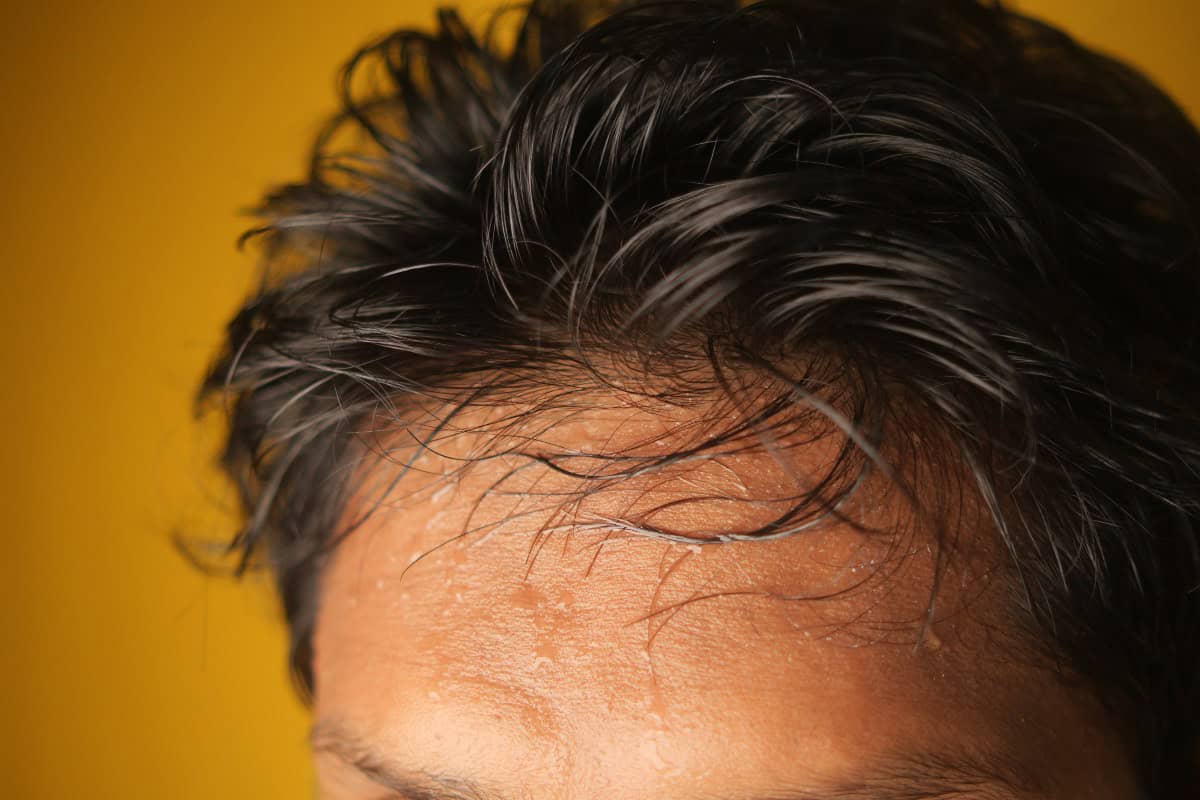
- Push your hair back fully before photographing your hairline and crown. Styled hair or hair combed forward can obscure exactly the areas that matter most.
- Wash and air-dry your hair first, avoiding styling products, powders, or fibers that can mask miniaturization or make density look better than it actually is.
- Cover multiple angles, including the front hairline, both temples, the crown from directly above, the donor area at the back and sides, and a straight-on shot under even lighting.
- Keep the camera steady and at a consistent distance for each shot, since distorted or inconsistent angles make it harder to judge scale and density accurately.
If the clinic requests photos as part of your consultation, follow its instructions and use the channel it provides. Photos are supporting information: lighting, angle and image quality can still affect what they show.
What to Bring Beyond Photos
Photos are only part of the picture. It also helps to arrive with:
- A brief medical history, including any relevant conditions, medications, or supplements you’re currently taking.
- A note on your hair loss timeline, including roughly when you first noticed changes and whether it’s been gradual or came on more suddenly.
- Any family history of hair loss, since this factors into how your case is evaluated and planned.
- A written list of your questions, so nothing gets forgotten once the conversation is underway.
- Your goals in plain language. Are you focused on your hairline, overall density, the crown, or something else entirely? Being specific helps the conversation stay focused on what matters most to you.
Questions Worth Asking During the Consultation
- What is causing my hair loss, and how confident are you in that assessment based on what you’ve seen so far?
- What is the condition of my donor area, and how does that affect what’s realistically possible?
- What technique would you recommend for my case, and why that one specifically?
- How do you plan for future hair loss when designing today’s treatment?
- What would a realistic graft estimate look like, and how firm is that number likely to be once I’m evaluated in person?
- What does the pricing page actually include, and are there any costs that might come up later that aren’t reflected there?
- What happens after this consultation if I want to move forward, and what if I need more time to decide?
What Happens After the Consultation
After a clinical consultation, ask for a clear summary of what has been established, what remains uncertain, and any further examination or tests needed before treatment is considered. An initial online discussion may leave important decisions open. You should have time to review the information without pressure to book.
If you decide to move forward, next steps typically involve confirming pricing details through the pricing page, scheduling logistics, and any pre-procedure guidance you’ll need to follow beforehand. If you have more questions after the initial conversation or want to follow up before deciding anything, the contact page has the direct ways to reach the team.
If you’re not ready to decide, that’s a completely normal outcome too. A good consultation is meant to inform your decision, not rush it.
Conclusion
A short history and a written question list can help you get more from a consultation. Start the free online hair assessment to share your goals with Dr. Top’s team. The quiz is a first step, not a diagnosis or confirmation that you are a surgical candidate.