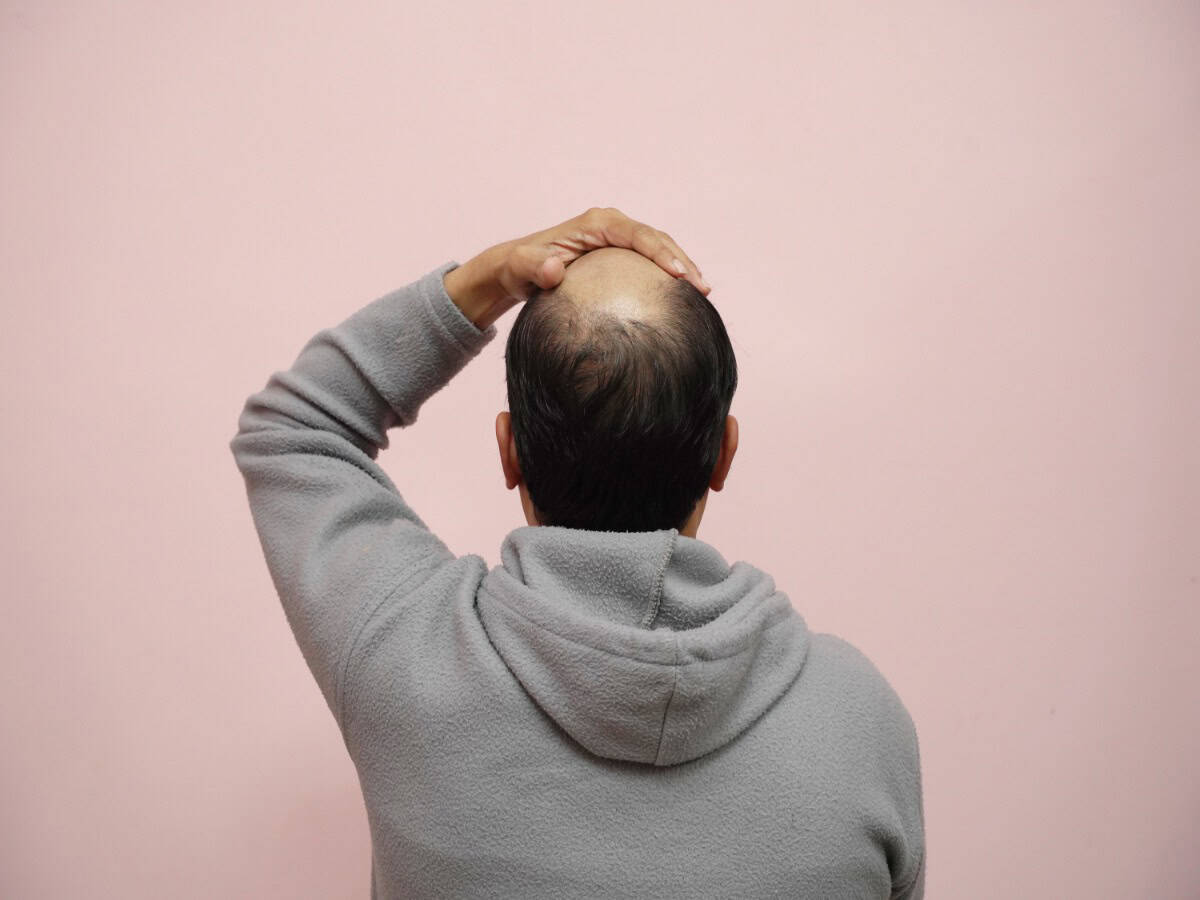

If you’ve ever typed “how many grafts do I need” into a search bar, you’re not alone. It’s the first real question most people have when they start exploring hair restoration, and the answer is less straightforward than a single number. Your graft count is personal. It depends on your hair loss stage, your donor area quality, and the coverage you want. This guide walks you through everything in plain language so you can plan your hair transplant journey with confidence.
Key Takeaways
- The number of grafts you need is largely shaped by your stage on the Norwood scale, early stages typically call for 500–2,500 grafts, while advanced hair loss can require 4,500 or more.
- Your donor area is a finite resource, generally holding between 4,000 and 8,000 usable grafts in a lifetime, how well it’s preserved matters for long-term results.
- Hair characteristics like thickness, texture, and the contrast between your hair color and skin tone all influence how many grafts you need to achieve natural-looking coverage.
What Exactly Is a Hair Graft?
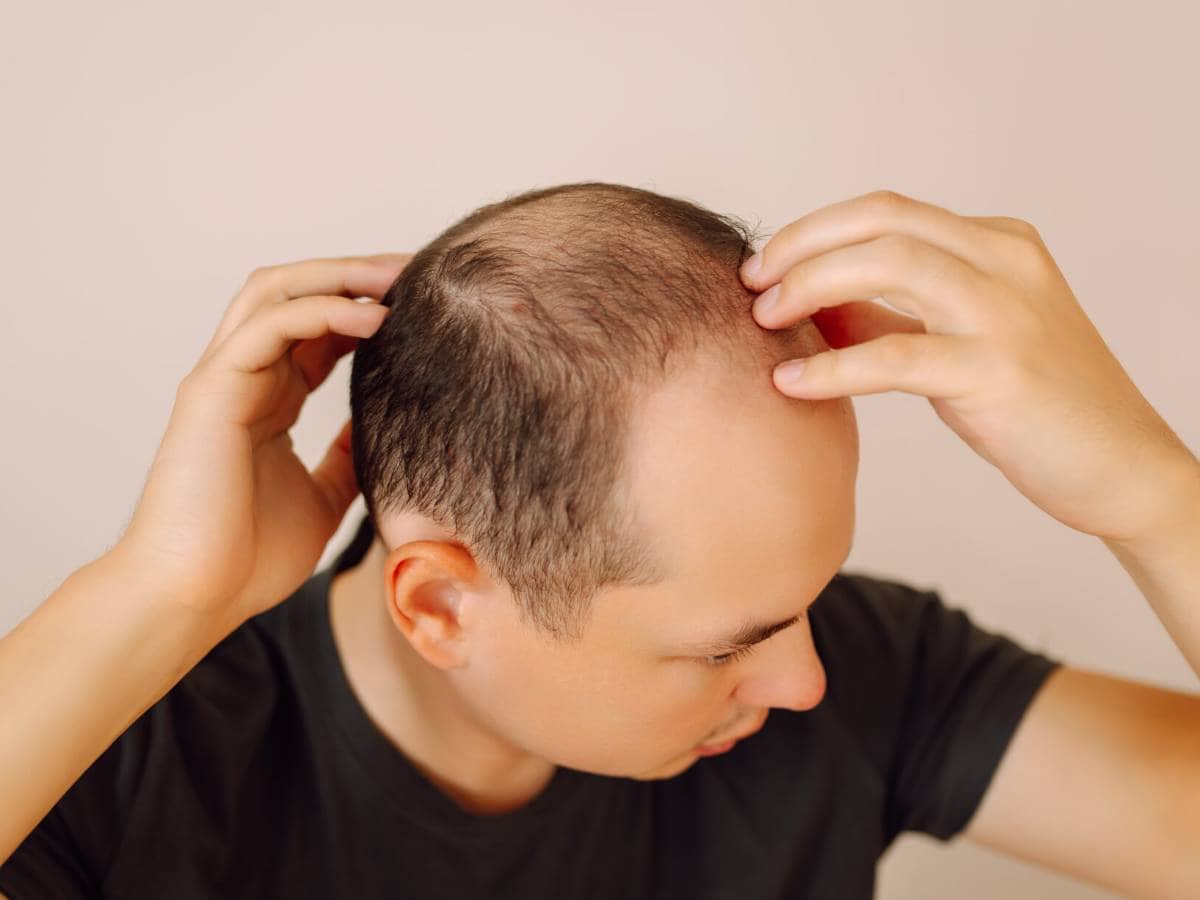
Before diving into numbers, it helps to understand what you’re actually counting. A hair graft is a small unit of tissue containing one or more hair follicles. Each graft can hold anywhere from one to four individual hairs, with the average sitting around 2.3 hairs per graft. So when a surgeon says you need 2,500 grafts, that translates to roughly 5,750 individual hairs being moved into your thinning or balding zones.
These grafts are harvested from your donor area, typically the back and sides of your scalp, where hair follicles are genetically resistant to hair loss. Once transplanted, they behave like your natural hair: they grow, shed temporarily, and regrow in a normal cycle. That biological consistency is exactly what makes a well-executed hair transplant look and feel real.
There are two main techniques used to harvest grafts: FUE (Follicular Unit Extraction), which removes individual follicular units one by one, and FUT (Follicular Unit Transplantation), which involves removing a strip of scalp to access donor hair. The technique your surgeon recommends will influence how many grafts can safely be harvested in a single session, and that matters more than most people realize going in.
Free Assessment
Not Sure How Many Grafts You Need?
Get a personalized treatment plan from Dr. Top's team. Takes 2 minutes to complete — no cost, no obligation.
So, How Many Grafts Do I Need?
The honest answer: it depends. The number of grafts you need is determined by the extent of your hair loss, the size of the areas you want to restore, your desired hair density, and the quality of your donor hair. Most patients fall somewhere in the range of 1,000 to 4,000 grafts, though advanced cases of hair loss can push well beyond that.
To determine how many grafts you specifically need, your hair transplant surgeon will measure the surface area of your balding or thinning zones, assess your donor hair density, and factor in your individual hair characteristics. While a hair transplant graft calculator can give you a useful ballpark estimate, only a proper in-person consultation can give you the exact number of grafts needed. Think of the calculator as your first step, not your final answer.
The important thing to remember is that the number of grafts required varies significantly from person to person, even among people with similar levels of hair loss. Two people at the same hair loss stage can have different scalp sizes, different hair types, and different goals, all of which shift the graft count.
The Norwood Scale: Your Hair Loss Stage Matters
The Norwood scale is the most widely used system for classifying male pattern hair loss. It runs from Stage 1 (minimal to no visible hair loss) all the way to Stage 7 (extensive hair loss across the top of the scalp). Knowing your hair loss stage on this scale is one of the most important factors in determining how many hair grafts you need.
Here’s a general visual guide to graft count by Norwood stage:
| Norwood Stage | Description | Estimated Grafts Needed |
|---|---|---|
| Stage 1 | No visible hair loss | 0 grafts |
| Stage 2 | Slight hairline recession | 500–800 grafts |
| Stage 3 | Noticeable recession or early crown thinning | 1,000–1,500 grafts |
| Stage 3 Vertex | Recession with crown involvement | 1,500–2,000 grafts |
| Stage 4 | Significant hairline and crown loss | 2,000–2,500 grafts |
| Stage 5 | Merged hairline and crown loss areas | 2,500–3,500 grafts |
| Stage 6 | Extensive hair loss, bridge between zones gone | 3,500–4,500+ grafts |
| Stage 7 | Severe hair loss across most of the scalp | 4,500+ grafts |
As hair loss progresses toward the higher stages, the graft number climbs steeply, which is one strong reason to act earlier in your hair restoration journey rather than waiting. Fewer grafts needed almost always means a simpler, faster, and more affordable procedure.
It’s also worth knowing that the Norwood scale was designed primarily for male pattern baldness. Women experiencing hair loss are typically assessed using the Ludwig scale instead, and their graft requirements follow a different pattern, usually involving diffuse thinning rather than defined bald zones.
What Determines How Many Grafts You Need?
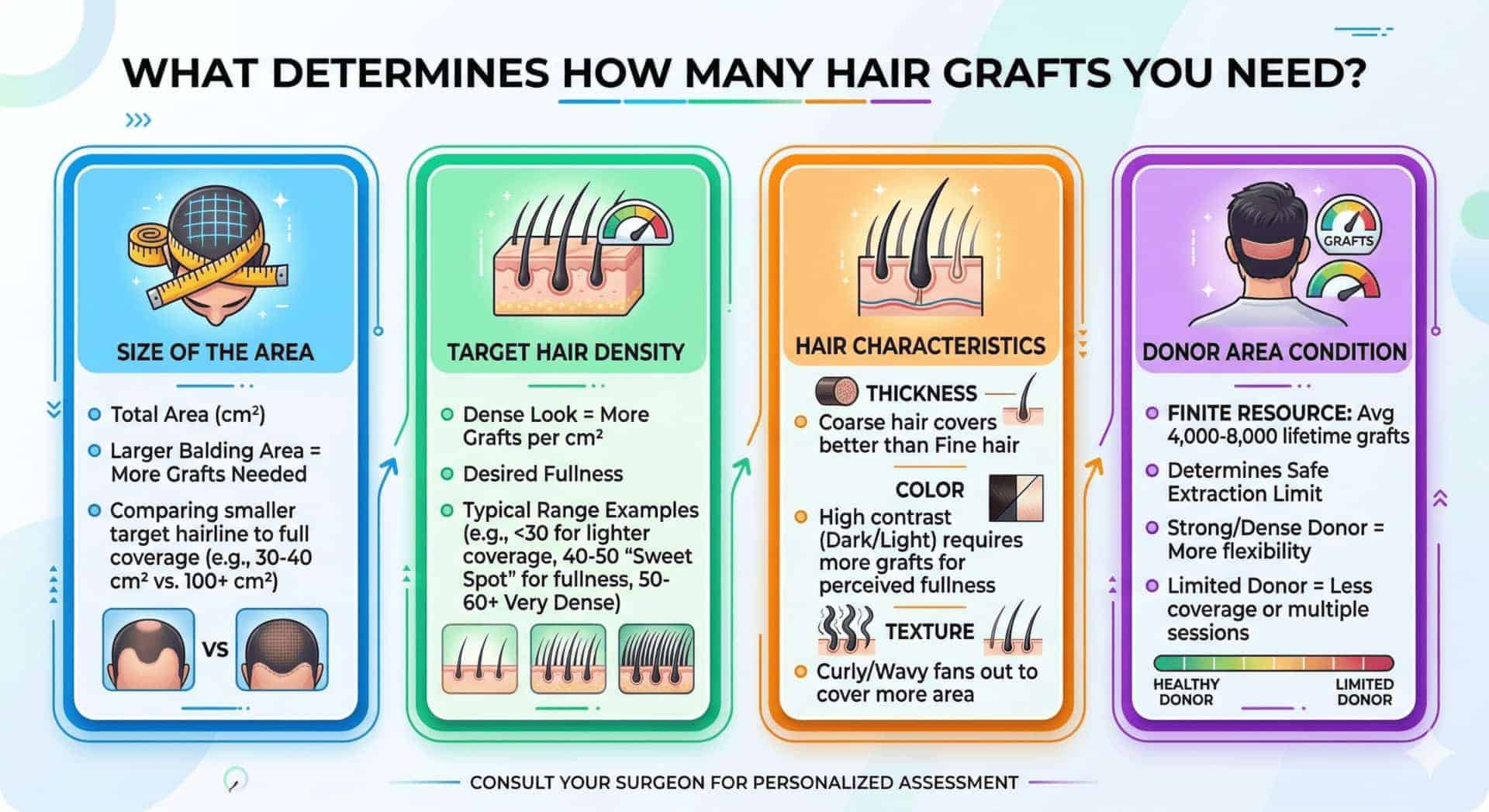
Your Norwood stage gives a strong starting point, but there are several other factors that determine the exact number of grafts for your hair transplant. Here’s what your surgeon will look at:
The Size of the Area You Want to Restore
The larger the balding area, the more grafts you’ll need. Surgeons measure thinning and bald zones in square centimeters. A targeted hairline restoration might cover 30–40 cm², while a full frontal, mid-scalp, and crown restoration can easily exceed 100 cm². At a standard hair density target of 35–50 grafts per square centimeter, the numbers add up quickly, which is why graft count and surface area are always considered together.
Your Target Hair Density
Not everyone needs or wants the same level of density. A dense, full look requires more grafts per cm² than a natural but lighter coverage. Research and clinical experience suggest that 40–50 grafts per cm² is typically the sweet spot for a result that looks full without depleting the donor area. Going below 30 grafts per cm² often leaves the scalp visible through the hair, while 50–60 grafts per cm² delivers a very dense, high-satisfaction result.
Hair Characteristics: Thickness, Texture, and Color
Your hair characteristics have a surprisingly large effect on how many grafts are needed to achieve a natural hair growth result. Here’s how each one plays in:
- Hair thickness: Thicker hair provides better coverage per graft than fine hair. Patients with naturally coarse, thick hair may need fewer grafts to achieve the same visual density as someone with fine hair.
- Hair color vs. skin tone: Dark hair on light skin creates a sharp visual contrast, which can make thinner coverage more noticeable. In these cases, a greater number of grafts is often needed to ensure the coverage looks convincingly full.
- Hair texture: Curly and wavy hair fans out and provides more coverage per graft than straight hair, which lies flat and covers less surface area per follicle. This can meaningfully reduce the number of grafts you may need.
The Condition of Your Donor Area
The donor area, the back and sides of the scalp, is the source of all your transplanted hair. It’s also a finite resource. The average person has between 4,000 and 8,000 usable grafts available in the donor area over a lifetime. Your actual number depends on your hair density in that zone, your scalp laxity, and the overall health of the hair in the donor region.
A strong, dense donor area gives your surgeon more flexibility. A limited donor area may mean less coverage in one session, or the need to plan multiple sessions over time. Protecting this resource is one of the most important principles in responsible hair transplant planning, which is why knowing how many grafts can be safely extracted is just as critical as knowing how many grafts you need.
How Many Grafts Can Be Safely Transplanted in One Session?
Even if you need a high number of grafts, that doesn’t automatically mean they’ll all be transplanted at once. The number of grafts that can be safely harvested and placed in a single session depends on the technique being used and your individual donor capacity.
- FUE (Follicular Unit Extraction): Typically allows 2,000–4,000 grafts per session, depending on donor density and scalp characteristics.
- FUT (Follicular Unit Transplantation): Can yield up to 4,000–5,000 grafts in a single strip procedure, making it a strong option for those with extensive hair loss who need a higher graft count in one sitting.
For patients with advanced hair loss who need more grafts than can be safely harvested in one session, surgeons typically plan multiple procedures spaced 8–12 months apart. This spacing gives the donor area time to recover fully and allows the previously transplanted grafts to establish before additional work begins.
Overharvesting the donor area is a real and preventable risk. Removing more grafts than the donor area can safely support can lead to visible thinning at the back of the scalp, poor graft survival rates, or compromised options for future sessions. This is one area where an experienced, ethical hair transplant surgeon genuinely makes a difference.
Using a Hair Transplant Graft Calculator
A hair transplant graft calculator is a practical tool for getting a preliminary sense of your graft requirements before a consultation. These tools typically ask you to:
- Identify your Norwood stage or describe your current hair loss pattern
- Select the areas you want to restore (hairline, crown, mid-scalp, or all three)
- Input a preferred density level or choose from coverage tiers
Based on those inputs, the calculator produces an estimated graft range. More advanced calculators also factor in hair type, skin tone contrast, and balding area in cm² for a more nuanced estimate.
That said, a calculator has its limits. It can’t assess your scalp laxity in person, evaluate the quality of donor hair in the zones that matter, or catch the subtle variables that only become clear during a physical examination. Use it to come into your consultation informed, not to replace the consultation itself. The exact number of grafts needed for hair transplant work is always confirmed by your surgeon after a proper assessment.
Graft Count and Cost: What to Expect
Cost is one of the first practical questions once you have a graft estimate in hand. Hair transplant pricing globally is tied to graft count, though clinic reputation, technique, surgeon experience, and location also play major roles.
Here’s a general cost-by-count framework to guide your planning:
- Smaller sessions (500–1,500 grafts): Best suited for early hairline recession or minor density work. Generally, the most accessible price point and the shortest procedure time.
- Mid-range sessions (2,000–3,000 grafts): The most common range for moderate hair loss at Norwood stages 3–5. Covers hairline and partial or full crown restoration.
- Large sessions (3,500–4,500+ grafts): Reserved for advanced hair loss; requires a healthy, abundant donor area and a longer procedure day.
Globally, the cost for the same number of grafts can vary dramatically depending on where you go. What remains consistent is this: the cheapest option is rarely the best option when it comes to hair transplant work. Quality, technique, and aftercare all directly affect your long-term results.
What If You Don’t Have Enough Donor Hair?
For patients at Norwood Stage 6 or 7, or those with naturally low donor density, there may not be sufficient hair in the donor area to fully restore coverage. In these situations, there are a few approaches worth discussing with your surgeon:
- Body hair transplant (BHT): Hair from the beard, chest, or other body areas can serve as supplementary donor grafts, particularly useful when scalp donor supply is limited.
- Staged procedures: Breaking the restoration into two or more sessions, spaced months apart, to gradually maximize coverage while protecting long-term donor health.
- Strategic zone prioritization: Focusing first on the hairline and frontal third, which creates the most visible and impactful improvement for the face, even when full coverage isn’t achievable.
Realistic expectations are a core part of any successful hair restoration journey. The goal isn’t always a full head of hair, it’s restoring a balanced, natural-looking result that suits your face, your donor resources, and your long-term plan.

Conclusion
Figuring out how many grafts you need isn’t something you have to guess at, and it shouldn’t feel overwhelming. Now that you understand what drives graft count (your hair loss stage, donor area health, hair characteristics, and restoration goals), you’re already better prepared for a real conversation with a surgeon than most people walking into their first consultation.
The next step is straightforward: get an actual assessment. No calculator, no blog post, and no before-and-after photo can tell you exactly what your scalp needs the way a qualified medical team can. What works beautifully for someone else may not be the right approach for you, and that’s not a bad thing. It just means your plan needs to be built around your hair, your donor area, and your long-term vision.
At Dr. Top Hair Hospital by The Skin Clinic, we take that assessment seriously. As a leading hair transplant center trusted by patients both locally and internationally, our team combines globally recognized certifications with continuous training across Europe and Asia. Whether you’re just starting to notice thinning or you’ve been thinking about this for years, we’ll give you an honest, clear picture of where you stand, and what’s realistically achievable for you.
Wondering if you’re a good candidate? Take our free 2-minute assessment to find out — no obligation, and your details stay completely private.
Reviewed by Dr. Top, ABHRS-certified, one of approximately 20 ABHRS-certified surgeons in Thailand and 300 globally. Over 10,000 procedures performed across more than 20 years, with patients travelling from over 11 countries including the UK, Germany, Australia, Canada, France, and across Asia.
Your plan should be built around your hair. Start here.