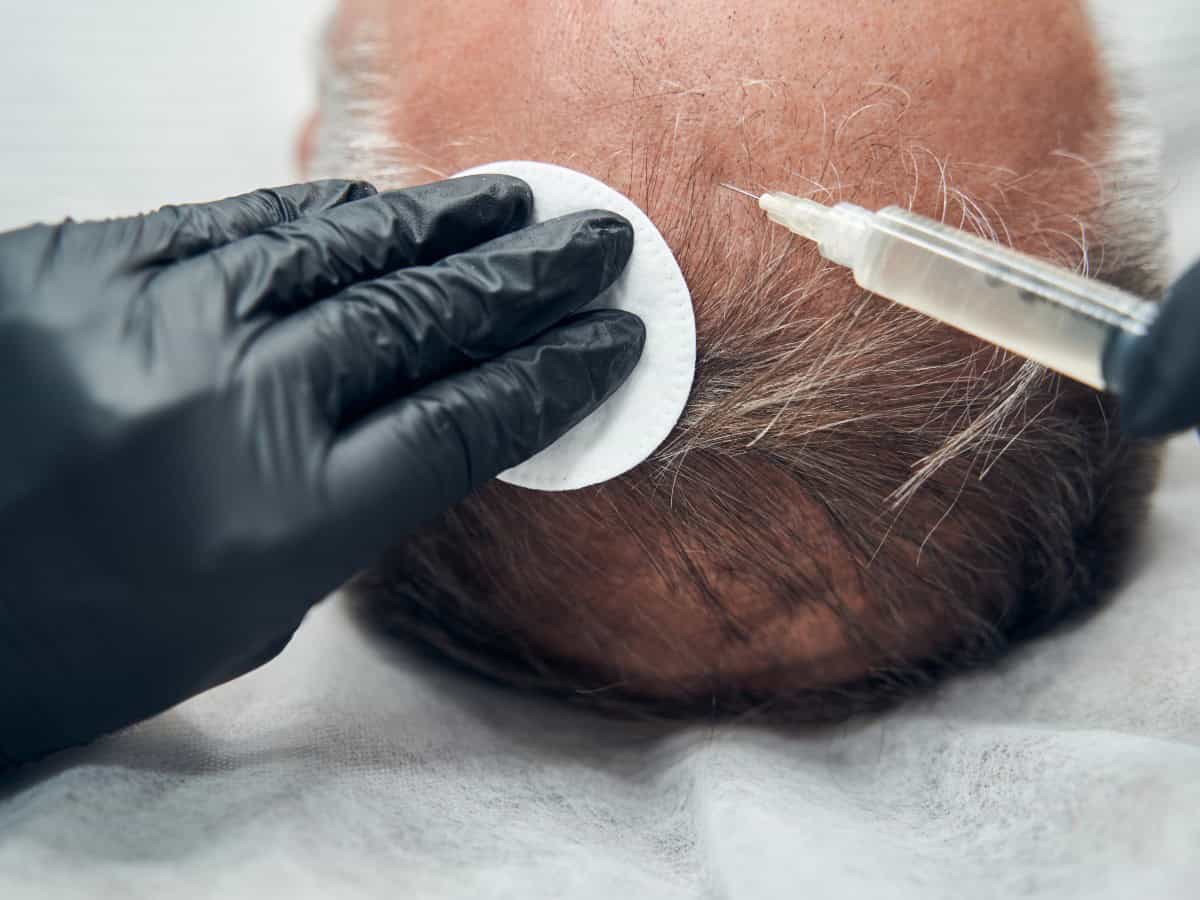

If you’ve been researching hair transplants, you’ve probably noticed that prices vary wildly, and wondered why. Part of that answer lives in a question most clinics don’t advertise: who is actually doing the work? A highly trained surgeon and a technician can both be present in the operating room, but their roles are very different. Understanding that difference could be the most important thing you do before booking your procedure.
Key Takeaways
- Who performs your hair transplant matters more than the price tag. A licensed physician versus a technician can mean the difference between natural-looking results and a botched hairline.
- Many clinics use technicians to perform the bulk of the procedure, including graft extraction and implantation, while the surgeon is minimally involved, and most patients don’t know this until after.
- Asking the right questions during your consultation. Specifically, who will be making the incisions and placing the grafts is one of the most important steps in your hair restoration journey.
What Actually Happens During a Hair Transplant Procedure
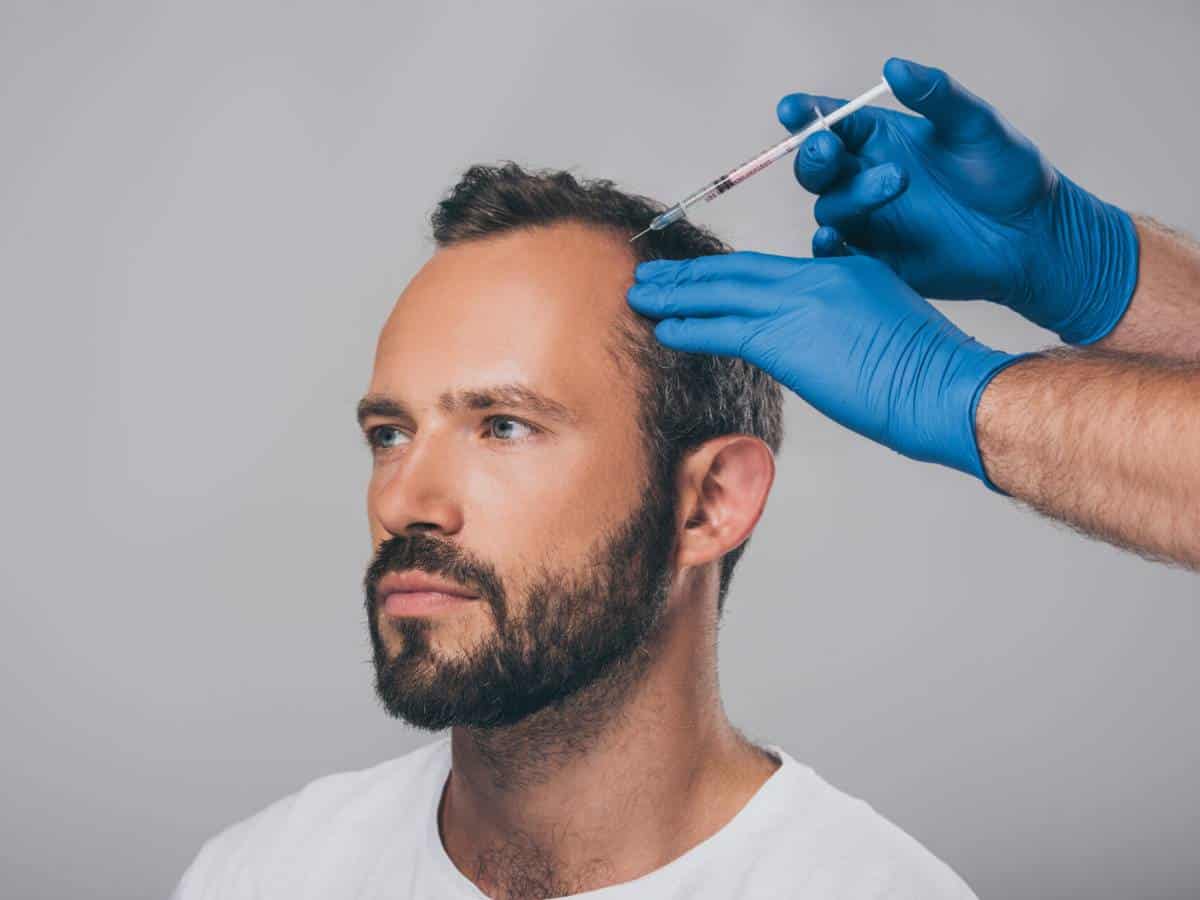
Before we get into the surgeon vs technician debate, it helps to understand what a hair transplant procedure actually involves from start to finish.
Whether you’re getting FUE (follicular unit extraction) or FUT, the process involves several critical steps: designing your hairline, administering anesthetic, extracting grafts from the donor area, making incisions in the recipient site, and placing the grafts. Each of these steps requires precision, medical judgment, and, in many regions, a medical license to perform legally.
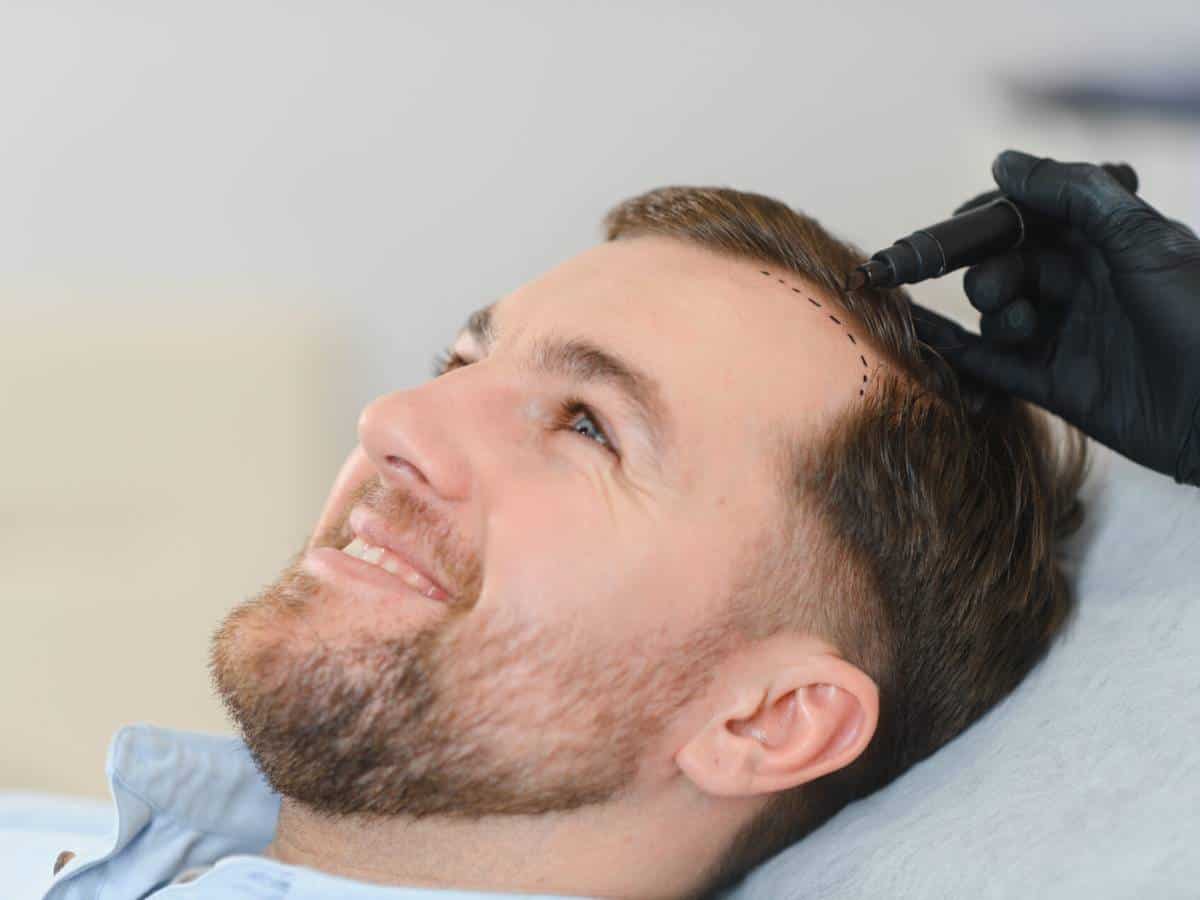
- Hairline design — mapping out where transplanted hair will grow
- Anesthetic administration — numbing the scalp for the procedure
- Graft extraction — removing follicles from the donor area
- Incision making — creating channels in the recipient site
- Graft placement — implanting each follicle at the correct angle and depth
Where the Delegation Starts
The problem is that not every step is always done by the same person. In many clinics, especially high-volume ones sometimes referred to as “hair mills,” a surgeon may only be present for part of the procedure while a team of technicians handles the rest. This is more common than most patients realize, and it’s a key reason why outcomes can vary so dramatically between clinics that appear similar on the surface.
Free Assessment
Not Sure How Many Grafts You Need?
Get a personalized treatment plan from Dr. Top's team. Takes 2 minutes to complete — no cost, no obligation.
The Role of a Hair Transplant Surgeon
A qualified hair transplant surgeon is a licensed physician, typically a dermatologist or plastic surgeon, who has undergone formal medical training and ideally holds credentials from recognized bodies like the ISHRS (International Society of Hair Restoration Surgery). ISHRS members are held to ethical standards and best practices in the field of hair restoration surgery.
What a Surgeon Is Responsible For
When a skilled surgeon is personally performing your hair transplant, they are responsible for the medical decisions that directly shape your results. This includes designing a hairline that suits your facial structure, determining the right extraction pattern from the donor area, making precise incisions at the correct angle and depth in the recipient site, and overseeing graft placement for maximum density and naturalness.
A hair transplant doctor with genuine experience in hair restoration also knows how to handle complications — whether that’s unexpected bleeding, graft transection during extraction, or a patient reacting to anesthetic. These are judgment calls that require medical expertise, not just technical skill.
The Role of a Hair Transplant Technician
Technicians aren’t inherently a problem. In fact, properly trained technicians play a valuable supporting role in many surgical hair restoration procedures. They can assist with graft sorting, preparation, and other non-surgical tasks under a physician’s supervision.
When It Becomes a Problem
The issue arises when hair transplant technicians are performing the surgery itself, making incisions, doing graft extraction, or handling implantation, without a licensed physician directly overseeing or performing those steps. In some cases, these are non-licensed or unlicensed technicians performing procedures that legally require a medical license to carry out.
This practice is more widespread in the hair restoration industry than most patients expect. Some clinics are upfront about their model; many are not. A patient might meet a surgeon during their consultation, assume that surgeon will perform their hair transplant, and only later, sometimes much later, realize that a team of technicians did most of the actual work.
Surgeon-Performed vs Technician-Performed: The Real Differences
Here’s where things get practical. What does it actually mean for your results when a surgeon performs your hair transplant versus when technicians perform the bulk of it?
| Procedure Step | Surgeon-Performed | Technician-Performed |
|---|---|---|
| Hairline Design | Physician judgment | May be templated or delegated |
| Anesthetic | Administered by doctor | Varies by clinic |
| Graft Extraction | Surgeon-controlled | Often handled by technicians |
| Incision Making | Surgeon’s responsibility | Frequently delegated |
| Graft Placement | Overseen or done by surgeon | Technician-led in many clinics |
| Complication Response | Immediate medical response | Depends on surgeon proximity |
Hairline Design and Artistic Judgment
Hairline design is not a technical task; it’s a medical and aesthetic decision. An experienced doctor considers your age, the projected pattern of future hair loss, your facial proportions, and your long-term goals. This isn’t something that can be templated or delegated. When a licensed physician personally designs and executes your hairline, you get a result built on medical judgment. When it’s left to a technician, the outcome depends heavily on whoever happens to be working your case that day.
Incision Making and Graft Placement
Making the incisions in the recipient site determines the angle, direction, and density of your transplanted hair. This is arguably the most technically demanding aspect of the procedure and one of the biggest factors in whether your results look natural. Many surgeons consider this step non-delegable — it should be the surgeon’s hands doing this work, full stop.
Placing the grafts requires similar care. Each follicle needs to be placed at the right depth and orientation. Improper placement can damage the graft, reduce survival rates, and result in unnatural growth patterns. Experienced hair restoration surgeons understand that even small errors here compound across hundreds or thousands of grafts.
Graft Extraction in FUE
In follicular unit extraction,each graft is individually extracted from the donor area using a small punch tool. Done properly by a skilled surgeon, this preserves the donor area and maximizes graft survival. Done incorrectly, whether by a surgeon or an undertrained technician, it can permanently damage follicles and thin out the donor area in ways that can’t be reversed.
Some clinics use robotic FUE systems as a middle ground, but even these require physician oversight to calibrate correctly for each patient’s scalp and hair characteristics.
Why So Many Clinics Use Technicians
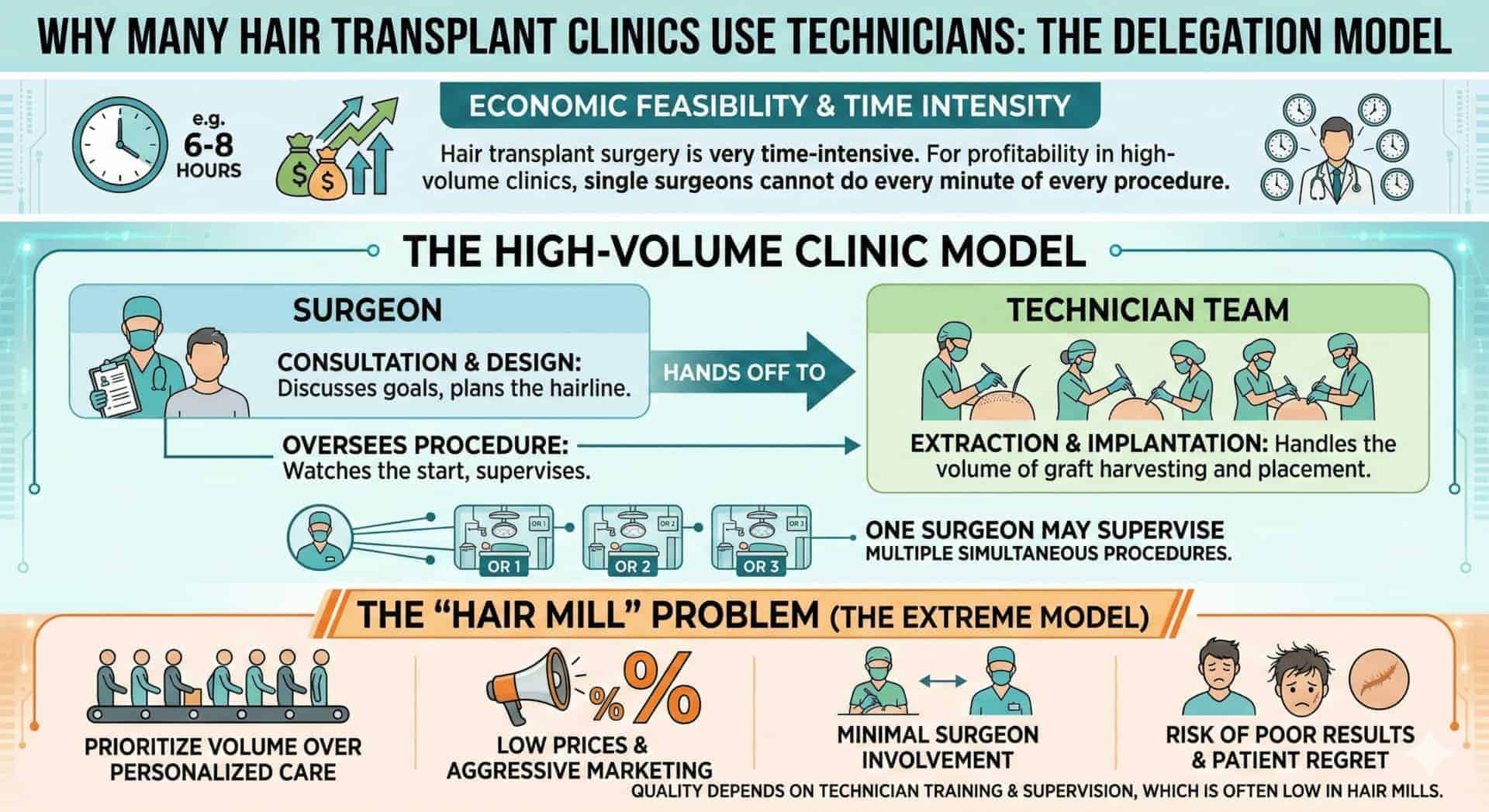
Let’s be honest about the economics here. Hair transplant surgery is time-intensive. A single FUE session can take six to eight hours. For a clinic running multiple procedures a day, which is how high-volume operations stay profitable, it simply isn’t feasible for one surgeon to be hands-on for every minute of every procedure.
The High-Volume Clinic Model
So many clinics have developed a delegation model: the surgeon does the consultation, perhaps designs the hairline, oversees the start of the procedure, and then hands off to a team of technicians for extraction and implantation. In some cases, one surgeon may be listed as supervising multiple procedures happening simultaneously in different operating rooms.
This model isn’t automatically disqualifying, but patients deserve to know about it. The quality of your results in this model depends entirely on how well-trained and experienced those technicians are, how closely the surgeon is actually supervising, and how quickly the surgeon can intervene if something goes wrong.
The Hair Mill Problem
Hair mills, clinics that prioritize volume over personalized care, tend to take this model to its extreme. Low prices, aggressive marketing, and minimal surgeon involvement are the hallmarks. The post-operative experience for patients who go this route is often where the regret sets in.
What to Ask During Your Consultation
Your consultation is your most powerful tool. Use it. Before committing to any clinic or procedure, ask these questions directly:
- Will the surgeon personally perform my hair transplant from start to finish, or will technicians be performing portions of it?
- Who specifically will be making the incisions in my recipient site?
- Who will be performing graft extraction?
- What are the credentials of the technicians involved in my procedure?
- Is the surgeon an ISHRS member or affiliated with a recognized medical association?
- Will the surgeon be present in the operating room for the entire procedure?
Green Flags and Red Flags
A reputable clinic will answer these questions without hesitation. If you get vague answers, deflection, or a sudden focus on price rather than process, that’s a red flag worth taking seriously. Also, ask to see before-and-after photos of real patients, and if possible, speak to previous patients directly. Look for naturally designed hairlines, consistent density, and evidence that the donor area was well-preserved.
Why Credentials and Medical Oversight Matter for Patient Safety
Patient safety in hair transplant surgery isn’t a given; it’s a result of proper medical oversight. Anesthetic administration, sterile technique in the operating room, and managing unexpected bleeding or patient reactions. These all require a licensed physician to be present and engaged.
Legal and Medical Accountability
State medical boards in many countries have taken action against clinics where unlicensed technicians performing surgery were found to be operating outside legal boundaries. The consequences for patients can range from poor cosmetic results to serious medical complications.
When you choose a clinic where a qualified physician is actively performing the procedure, not just signing off on it, you’re not just paying for better results. You’re paying for a safer experience with proper medical accountability behind it.
What Sets Quality Clinics Apart
The best hair transplant clinics are transparent about their process. They have certified medical teams, a surgeon who is directly involved in performing the surgery, and a commitment to internationally recognized best practices. They invest in continuing education, whether that means their medical team trains in Europe, Asia, or both, because the field of hair restoration surgery evolves, and skilled surgeons stay current.
What a quality hair transplant clinic looks like:
- [ ] Surgeon personally performs or directly supervises all critical steps
- [ ] Transparent about technician roles during consultation
- [ ] Medical team holds internationally recognized credentials
- [ ] Ongoing training and education in the field
- [ ] Clear post-operative care plan provided upfront
- [ ] Verifiable before-and-after results from real patients
Conclusion
Choosing between a surgeon-performed and technician-performed hair transplant isn’t just a budget decision; it’s a decision about your safety, your results, and your long-term confidence. The difference between walking away with a natural, full hairline and spending years trying to correct a poorly executed procedure often comes down to one question: who actually did the work?
You deserve a medical team that treats your procedure as the serious, life-changing surgery it is. Not a quota to fill, not a back-to-back booking between other cases, but a carefully planned and personally executed procedure by a qualified physician who takes your outcome personally. The right clinic will answer that question without hesitation. A short personalized assessment is the clearest way to find out where you stand, what your options are, and what a surgeon-performed procedure would look like for your specific hair and goals.
It takes about two minutes, there is no obligation, and you leave with honest answers rather than a sales pitch.
Wondering if you’re a good candidate? Take our free 2-minute assessment to find out — no obligation, and your details stay completely private.
Reviewed by Dr. Top, Diplomate of the American Board of Hair Restoration Surgery (ABHRS). Every critical step performed directly by the surgeon, not delegated to technicians. Over 10,000 procedures across more than 20 years, with patients from over 11 countries including the UK, Germany, Australia, Canada, France, and across Asia.
The question is not just whether you are ready. It is whether your clinic is.